The click of the “Order” button echoed in my mind far louder than it should have. A fairly ordinary Thursday, maybe—yet for me, it marked something of a turning point. At long last, I had pulled the trigger and purchased my very first stringing machine.
I suppose most people might not see the significance in this. After all, it’s just a tool—metal, levers, clamps. But to anyone possessed by the strange obsession called tennis, a stringing machine isn’t just a gadget. It’s a promise. The start of tinkering, improving, a sharpening of one’s game from the inside out. For me, a lifelong club player forever dissatisfied with the dull thud of dead strings, this was an upgrade in more ways than one.
Still, excitement is a thin shield against uncertainty. As soon as my order was confirmed, waves of questions rose within me. Was this model right for me? Would I fumble through my first attempt, hopelessly tangling the strings, cursing under my breath? These small doubts simmered under the surface, persistent as a low-grade hum. Through this haze, I found myself scouring forums, scrolling endlessly past technical jargon and debates about drop weights versus crank mechanisms. Eating up every anecdote, every hard-earned tip. That’s how I stumbled across this article—a lifeline tossed out amid the sea of advice.
Every new pursuit feels overwhelming at the start. The machinery seemed complicated on paper, an array of parts I had yet to handle—tension heads, clamps, string grippers. The process itself, from mounting the racquet’s frame to weaving the mains and crosses, had its own almost ritualistic choreography. What surprised me most was how plainly written guidance, when drawn from real experience, cut through my nervousness. The article’s author didn’t drown the reader in instructions. Instead, he spoke plainly, offering a handful of calm, practical beginnings—double-check your knots, take your time lining up the frame, don’t worry if the first job isn’t perfect. Those small pieces of advice felt oddly comforting. Almost like being shown around a workshop by an old friend.
Already, I find myself picturing the process. My hands clumsy at first, then gradually more certain. The soft resistance as the string snakes through a grommet. The faint, satisfying snap when a clamp bites down. I can almost see the lines of tension forming across the racquet, feel the sense of accomplishment as the last knot is tied. There’s pride in creating something with your hands—moreso when that something will be put to the test on a hot afternoon, in the hush before a serve.
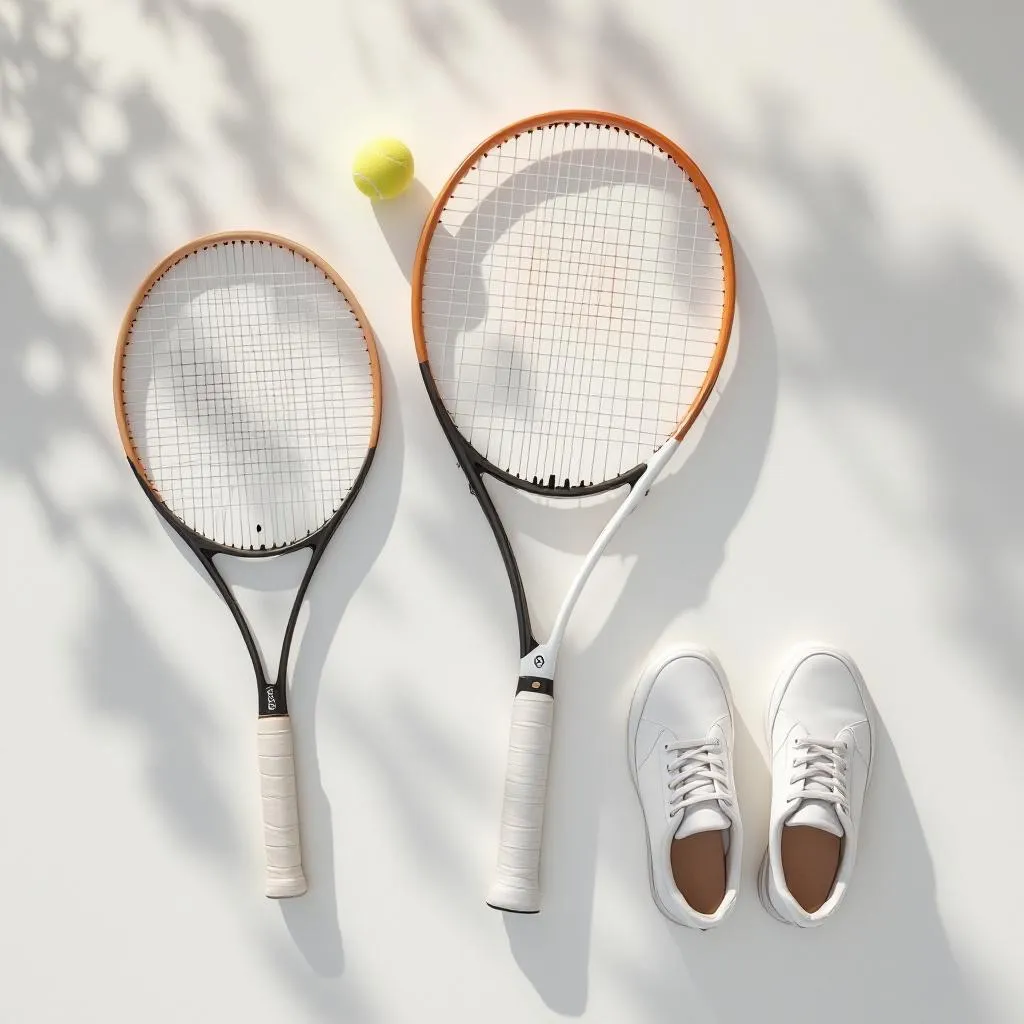
Part of me relishes the idea of independence. For years, I’ve handed my racquet over to technicians, trusting their touch, hoping they’d match the tension I wanted. Often enough, I’ve walked away dissatisfied with the result. Soon the responsibility will be mine. Every misstep, every sweet spot—on my own terms. If a string snaps mid-match, no more helpless frustration; just a chance to fix it myself, maybe learn something new in the process.
And, reading the article, I catch bits of advice that slip beyond the technical—encouragement not to chase perfection at first, to be patient, treat each racquet as a new challenge. I find myself returning to one line in particular: “Don’t rush. Precision comes with practice.” I think I’ll make a note of that, literal or otherwise.
So, thank you, whoever wrote those words, for offering up clarity amidst my tangled nerves. Soon there’ll be no more waiting in line at the pro shop. Just me, a spool of string, and this odd metal contraption I’m itching to put to work. Here’s to many hours lost (or gained) learning a new craft, and to the small victories stitched—one string at a time—into the quiet heart of the game.
—Rick Lucas