Mastering the Tennis Serve: A Fresh Start for Beginners – A Practical Five-Part Blueprint
Learning to serve in tennis is a mixture of discovery, frustration, and small victories. At first, something as simple as propelling the ball diagonally across the net can seem impossibly complicated. Yet, with the right approach, every beginner can unlock the mechanics and sense of rhythm behind this iconic stroke. Let’s break it all down, step by step, trimming away the clutter and focusing instead on the heart of the serve—clear, controlled power stitched together with confidence.
1. The Stance – Foundations That Hold Fast
Don’t underestimate how you position your feet. Too stiff and you’ll rob yourself of balance, too casual and you’ll lose focus. Stand sideways to the baseline, if you’re right-handed your left foot should face the opposite post on the other side of the court, the right foot slightly behind and parallel. Your weight settles mostly on your back leg. Sway gently, not rigid—think anchored but ready to spring. Arms relax by your sides; racket in your dominant hand, ball cupped firmly but softly in your other palm. Before serving, breathe. The stance sets the tone—calm, grounded, yet brimming with stored energy.
2. The Grip – A Simple Twist, A World of Difference
The unsung hero of the serve is your grip. Instead of clenching the handle in a death grip, picture holding a tiny bird—you want it secure, but not strangled. Start with the continental grip. It might feel strange, almost awkward at first, but this is the pivot point for spin and control later on. Grip the racket as though you’re shaking hands with it, your thumb settling along the bevel, not wrapping around like with a frying pan. Don’t fuss over perfection – the grip will become second nature as you practice.
3. The Toss – Finding Your Own Gravity
The toss is where things often fall apart, and for good reason: it’s the most elusive part, half science, half instinct. Cradle the ball in your fingertips—not your palm. Raise your tossing arm slowly, reaching upward in one graceful movement until your arm is fully extended and the ball rises above your head. Let go without flicking your wrist, aiming for a gentle lift. Nothing wild. The ball should seem to hang in the air for a split second, slightly in front and above your hitting shoulder, inviting you to strike. Don’t chase a perfect toss—aim for consistent, repeatable placement. Mistakes here teach you the most.
4. The Motion – Unfolding the Serve
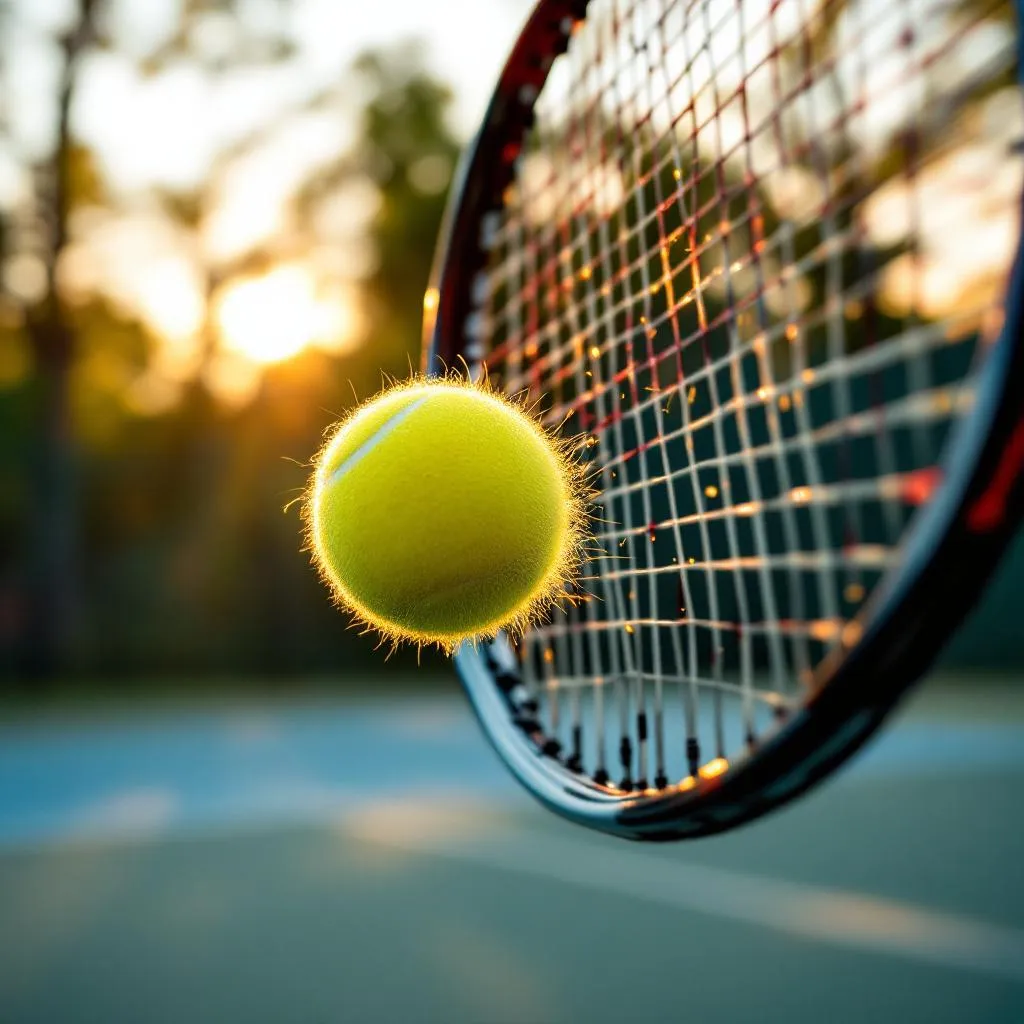
Now the real ballet begins. As you release the ball, your dominant arm sweeps back, racket head pointing down like a sword resting for battle. Bend your knees; this is your coil, the energy chamber. In one motion, push up with your legs and swing your racket arm over your head, unspooling all that stored force. Eyes fixed on the ball, let the racket whip up and over, sending the strings to meet the ball at its peak. The “pop” when you connect—when it happens right—has a feeling all its own, a vibration through bone and muscle.
5. The Follow-Through – Letting the Energy Fly
Every good serve finishes with the right follow-through. After contact, let your racket arm continue its arc naturally, crossing your body to the opposite side. Don’t freeze up or pull back abruptly—the energy needs somewhere to go. Let yourself move forward, ready to pounce for the next shot, balanced and alert. Whether the serve lands perfectly or not, that small, instinctive recovery step signals you’re in the rally and the real tennis has just begun.
Final Thoughts: Patience is Power
Learning to serve well won’t happen overnight. Be patient—not just with the process, but with yourself. Notice small improvements. Some days, the rhythm will click; others, you’ll feel all thumbs. Adapt. Laugh at the awkwardness. The more you serve, the more your body and mind will quietly conspire to piece it all together.
Above all, don’t let nerves script your narrative. Trust the routine, breathe, and swing. Nobody remembers their first hundred serves—they remember that moment when, at last, the ball sails true. Your moment is waiting. Step up and claim it.