Grass, Clay, Hard: How Court Surfaces Shape Tennis—and Your Game
Every tennis match begins not with a racket’s swing or the toss of a coin, but with the hush of a court underfoot. Unlike many sports, tennis lives in triplicate—grass, clay, and hard courts, each with their own attitude and quirks. Step onto any of them, and you’ll feel it immediately: the resistance under your shoes, the bite of the bounce, the peculiar rhythm in the air. That’s where the true battle begins.
Anyone who’s tuned into a Grand Slam—Wimbledon’s emerald lawns, the red sweep of Roland Garros, the concrete roar of the US Open—has witnessed how surface changes everything. Let’s get under the skin of these three courts, and see just how deep the differences run.
—
The Anatomy of Tennis Courts
Every surface has its own rules—some spoken, some etched only in bruises and muscle memory. The weight of a bounce. The strain on a knee. The way light catches on worn grass, or dust curls from a clay slide. If you want to understand tennis, you start here.
Grass: The Slippery Frontier
Grass courts hold an old-school prestige, a neat trim and the faint scent of morning dew. But don’t let the prim look fool you—grass is treacherous. It’s the least forgiving surface, especially under Wimbledon’s white-clad glare. The ball stays low, skidding off the green with barely a warning. Rallies flash by, seldom long, and power servers reign. Net-rushers thrive, as reflexes trump all else. Strange how such a soft surface can make the likelihood of a slip so merciless—but that’s the grass in action, demanding nimble footwork and the confidence for bold, swift attacks.
Clay: The Endurance Arena
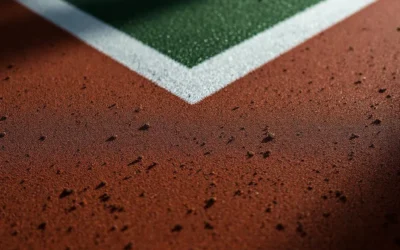
Clay courts aren’t just red under the summer sun; they’re dust and sweat and slow-burning rallies that test everything from your lungs to your patience. Common in Europe and South America, clay’s surface belongs to those who can endure. The ball leaps higher, time stretches, and points seem to last an age. Sliding replaces sprinting; every step calculated, every movement a dance. Topspin rules here, as high bounces pull opponents off-balance. Endurance athletes—metronomes in human skin—find their haven. The court rewards grit, punishing those unwilling to grind for every point.
Hard Courts: The Middle Path
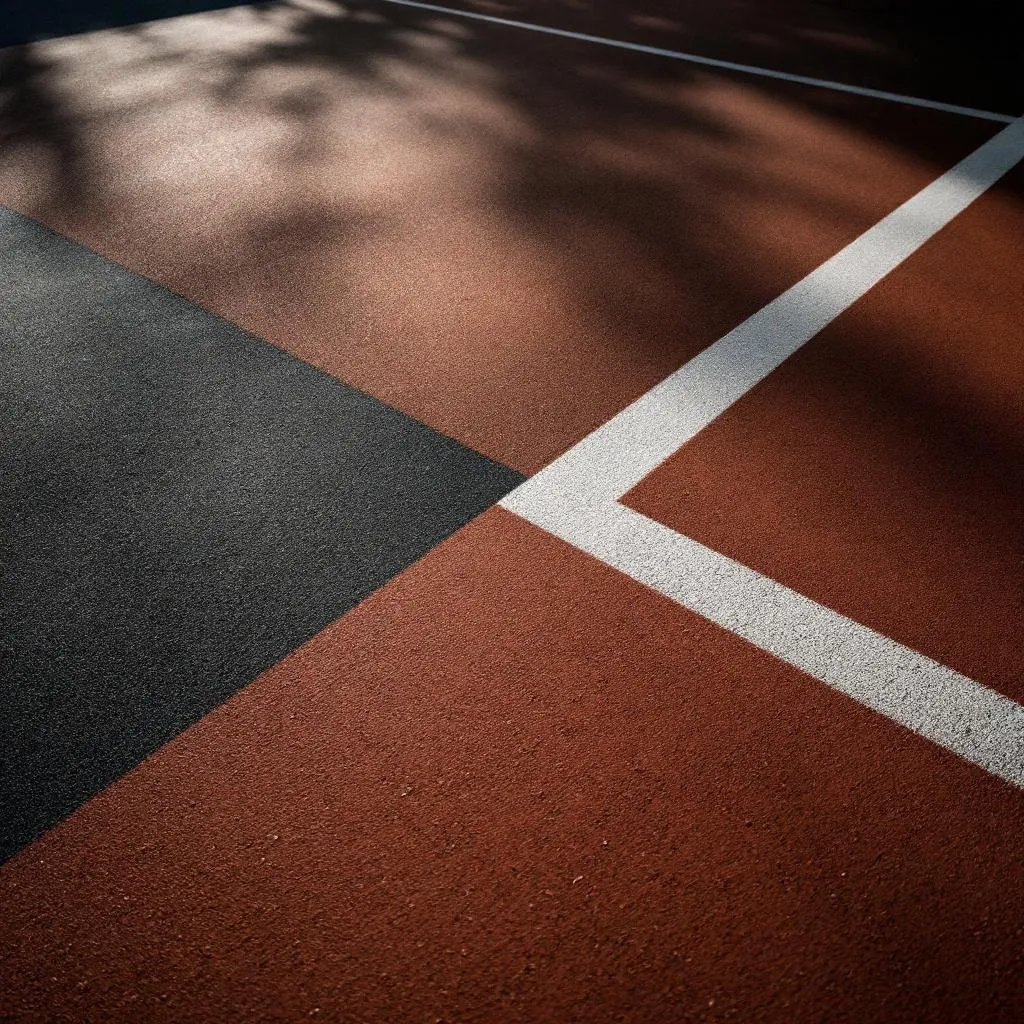
Found in city parks and sprawling stadiums, hard courts are the everyman’s battleground—democratic, predictable, a modern classic. Made from layers of asphalt or concrete, hard courts offer a reliable bounce. Not as fast as grass, never as slow as clay—a true hybrid. Baseliners, serve-volleyers, aggressive shot-makers; all find a way to thrive. Yet, the surface is punishing, its hardness echoing up into ankles and knees. Footwork remains simple, but resilience against wear and tear becomes a must.
—
How Surfaces Rewrite the Playbook
A player’s prowess is nothing without adaptation. Fast court, slow court, something in-between: each reshapes old habits and carves new ones. Here’s how:
Grass: All About Instincts
On grass, precision outshines brute force. The clock ticks faster. Serves slice through the short rallies—just a few heartbeats—and a single slip can end the point. Chip returns, dashing swings to the net, fast hands, quicker feet. It’s a surface for those who trust instinct over hesitation.
Clay: War of Attrition
Take a deep breath and settle in for the long haul. Clay courts transform cool tactics into chess games—defense becomes survival. You chase, you retrieve, you build points one exhausted minute at a time. Topspin rules—the higher the bounce, the greater the challenge. Outlast, outhustle, outthink.
Hard: Chameleon Style
If your game is a toolbox, hard courts demand you grab every tool. Serve big, rally long, volley on a whim—there’s room for it all. And yet, the predictability of the bounce asks for discipline. Aggression and consistency—each must be measured, never at the expense of the other.
—
Shifting Tactics, Finding Your Edge
Each surface whispers a different strategy. Grass rewards the bold—serve angles, low slices, net attacks. On clay, patience and physical tenacity matter most, as you loop topspin shots deep and slide into every return. Hard courts? Here, you play your cards, adapt on the fly, and keep your body primed for the grime of competition—strong legs, limber muscles, and the mind clear of distraction.
In rain, even the courts protest. Grass turns slick and treacherous. Clay softens, threatening mud. Only hard courts shrug, steady through most storms. All this, too, becomes part of the game—a lesson in reading not just your opponent, but the world around you.
—
The Right Start, and a Place to Grow
Which surface is best for newcomers? Hard courts, usually—the bounce is steady, the footing honest, and the learning curve less steep. Adaptation comes, and so does skill, if you’re willing.
Of course, the surface isn’t all. Guidance, encouragement, and a dose of competitive fire—these count, too. The right school, the right coach, a chance to play against peers, to fail safely and try again. That’s where futures are built.
—
Tennis grows in the subtlety of surfaces—the slip of grass, the grind of clay, the quick pound of hard court. Master these, and you master something far greater than a game: you master yourself, adapting to whatever ground life sets beneath your feet.