By Lin — Last updated: March 11, 2023
Stepping onto a tennis court for the first time can be both thrilling and overwhelming. The clack of rackets, the sharp squeak of shoes on the baseline, even the smell of fresh tennis balls—all of it beckons you forward. But where do you begin? Here, you’ll discover hard-won advice gathered from seasoned players—practical insights that cut through the noise and set you firmly on a path to enjoying and improving your game from day one.
—
1. Gear Up with Intention
Choosing Your First Racket
Forget about blindly grabbing any old racket off the shelf. Start with something that feels right in your hands, yes, but don’t get lost in the frills of color and design. Focus on function: opt for a head size around 98–100 square inches, keep the weight between 10 and 11 ounces (unstrung). Browse beginner racket lists for inspiration. If money’s tight, don’t turn your nose up at a quality used racket—you can always upgrade down the line.
Tennis Shoes
Leave your running sneakers at home. Tennis shoes are built for rapid stops, starts, and lateral motion. The extra ankle support and specific sole design can be the difference between dancing around the court or hobbling away with a twisted ankle.
Tennis Socks
Don’t underestimate socks. Invest in pairs with padded heels and compressive weave. They guard against blisters and cushion your feet through long rallies.
Overgrips
Don’t let your racket slip through your sweaty palm mid-serve. Wrap an overgrip—cheap and readily available—around the handle for extra comfort and solid hold.
—
2. Grasp the Basics: Essential Grips
Tennis grips are like secret handshakes, and learning them early pays off. For the forehand, try the “eastern” or “semi-western” grip. Give yourself time—comfort with your grip will develop the more you play. Two options for the backhand: one-handed or two-handed. The “continental” grip, meanwhile, is your one-size-fits-all for slices, serves, and volleys. When in doubt, seek out visuals or detailed guides to check your hand position.
—
3. Warm-Up and Cool Down—Always
Jumping into a match without warming up is asking for trouble. Five minutes of dynamic movement—think lunges, arm swings, light jogs—will prep your body and help sidestep injuries. After you play, spend another five stretching out. It speeds up recovery, keeps you flexible, and lessens the post-match ache.
—
4. Involve Your Non-Dominant Hand
Watch any pro—they’re never passive with their free hand. Push your racket into position using your non-dominant hand during set-up. It stabilizes your swing, sharpens your aim, and brings more power from your body instead of sacrificing your shoulder or wrist.
—
5. Follow Through—Every Swing
Many beginners chop their swings short and wonder why their shots have no direction. Finish every stroke. Let your arm move fluidly, shoulder to shoulder, letting your core lead. A full follow-through adds both force and finesse—and prevents injury.
—
6. Favor Control Over Power
Arm muscles alone won’t win you matches. Early on, you’re better off focusing on precision and control. Wailing on the ball leads to wild mistakes—and sore elbows. Practice measured, consistent shots. Hit balls against a wall to sharpen your aim and rhythm.
—
7. Record Your Sessions
A smartphone propped up courtside is your best coach. Watch yourself in action. Notice the extra hop, the awkward grip, the swing that floats long every time. Self-awareness speeds up improvement.
—
8. Keep Hitting: Regular Practice
Muscle memory doesn’t develop overnight. Aim to get on court two to four times a week. If you show up consistently, your footwork and strokes will settle comfortably into place.

—
9. Learn the Rules and Scoring
Tennis has its quirks: deuce (40–40), advantage, games strung into sets. Know that you win a game by clenching four points, a set by clinching six games (with a two-game lead), and matches require several sets. At first, this scoring system seems odd—give yourself time.
—
10. Get to Know the Court
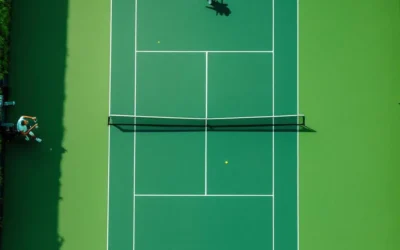
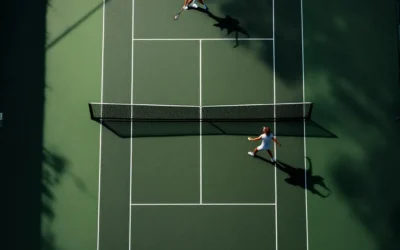
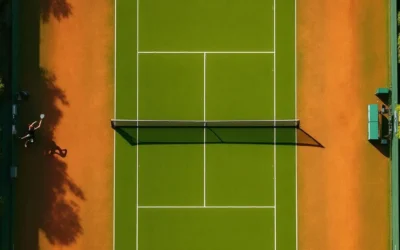
Courts come in flavors: hard, grass, and red clay. Hard courts are everywhere, but don’t ignore the lines—their meaning shapes the rally. Study a diagram. Know where you stand and how the surface will affect your play.
—
11. Train Off-Court
Work on your game even when you’re nowhere near the net. Simple wall rallies build endurance and consistency—use a slightly softer (green dot) ball when you begin. Don’t ignore footwork drills. Roger Federer, a master, swears by movement above all. Quick feet make tough points winnable.
—
12. Set Realistic Goals
At first, forget about winning. Focus on clean swings, steady positioning, and smart footwork instead. Chasing points too soon means piling up mistakes—and frustration.
—
13. Understand Your Level: The NTRP Scale
USTA’s NTRP system ranges from pure novice (1.0) to pro tournament players (7.0). Most rookies fall between 1.0–3.0. As you progress, use the scale to track growth and join appropriate league play.
—
14. Trace the Steps of the Pros
Find a role model among the pro ranks. Study their style, technique, even their attitude. Emulate what inspires you—but be patient as your own personality emerges on court.
—
15. Embrace the Split Step
Between every shot, bounce onto the balls of your feet—ready to spring in any direction. This “split step” becomes the heartbeat of your movement, syncing you with the rhythm of the game.
—
FAQ
What three skills should a beginner focus on?
Master the forehand, backhand, and serve—the backbone of recreational play.
Can you self-teach tennis?
Absolutely. Online articles and videos abound, but expect slower progress than with hands-on coaching.
Best way to improve?
Show up to practice, at least a couple times each week. Improvement meets those who work for it.
—
Start from here, but savor the process—every miss, every rally, every victory. Check out deeper guides, reach out with questions, and above all, enjoy every hit. Tennis, after all, is a game best learned by doing.