When it comes to designing or revitalizing a tennis court, the surface is more than a patch of ground—it’s the very heart of the game. The court’s foundation subtly tilts every spin, bounce, and sidestep. Your decision isn’t just about aesthetics or budget; it shapes how players move, how often they slide, even the rhythm of every rally. With several materials on offer—natural, synthetic, or hybrid—the choices are vast, yet each brings its own quirks and demands.
What Are the Main Tennis Court Surfaces?
Today’s courts fall broadly into a few categories: clay, natural grass, acrylic hard courts, and synthetic or modular surfaces. Each has other siblings lurking on the sidelines—think carpet, cushioned hybrids, or artificial variants—that usually pop up in specialty venues or for unique tournament needs.
Let’s dig into each type, seeing how they nudge the game in distinctive directions and what you, as a planner or passionate player, need to keep in mind.
—
Clay Courts: The Red Theater of Endurance
Crushed brick, stone, or shale make up the classic clay court. Its surface absorbs speed and launches balls high, favoring those who thrive in grinding rallies from the baseline. Movement is slower, nuanced, almost chess-like. Sliding is part of the game, and strategy trumps brute force. Clay’s demands are many: regular rolling, consistent watering, and a ritual of sweeping and line brushing that becomes almost meditative. Yet, it’s gentle on the joints and adored by players who prize tactical play.
—
Grass Courts: Where Tradition Meets Speed
Grass courts are tennis in its purest, most historic form—Wimbledon’s sacred lawns come to mind. Here, the game transforms. Serves skitter low, bounces turn unpredictable, quick reactions become survival tactics. Net-chargers and serve-and-volley artists fare best. But there’s a catch: grass is fickle. Rain, drought, or a careless shoe can mar the court. Maintenance is relentless—daily mowing, careful watering, constant vigilance. The reward is a game that’s fast, elegant, and steeped in legacy, though not always forgiving to the casual weekend warrior.
Synthetic turf tries to emulate this spirit, using infilled turf that mimics natural bounce with less obsession over upkeep. It’s durable and practical, if not quite the real thing.
—
Hard Courts: The Modern All-Rounder
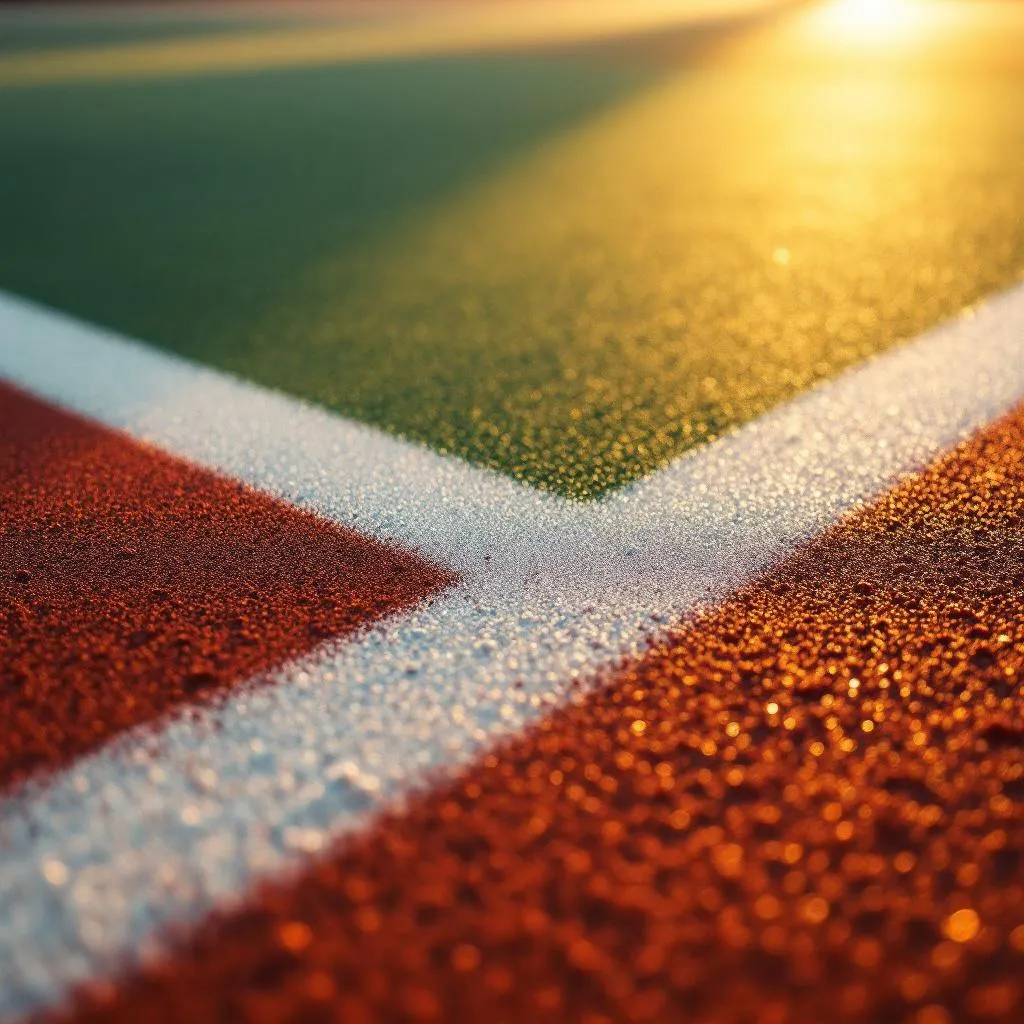
Acrylic-topped concrete or asphalt hard courts are everywhere—from iconic tournaments to local parks. They strike a harmonious middle ground: faster than clay, slower than grass, consistent with every bounce. Acrylic layers can be cushioned for comfort and colored for panache. Play suits every style—aggressive hitters, counterpunchers, doubles specialists.
Maintenance is straightforward—clean, resurface every five to eight years, paint the lines anew. But the tough surface can be taxing on bodies over the years, especially knees and hips. That’s why some facilities invest in cushioned systems, blending durability with shock absorption. For sheer practicality, versatility, and cost, hard courts dominate the landscape.
—
Artificial and Modular Surfaces: Flexibility Meets Function
Synthetic grass and carpet get their due in clubs and multi-use facilities. Carpet, whether laid out in indoor halls or as a removable overlay, offers a quick, low-maintenance game reminiscent of grass without the headaches. Artificial turf, filled with sand or rubber, delivers decent grip and a moderate bounce—beloved in community clubs where usage is constant and budgets are tight.
Modular courts, built from interlocking tiles, have surged in popularity for temporary or mobile setups. Fast to install, easy to clean, and surprisingly customizable, these courts thrive in public spaces and anywhere that needs portability.
—
Surface Care: The Lifeline of Performance
No matter your surface, upkeep is a non-negotiable. Clay craves rolling, brushing, and watering. Grass demands mowing and patching. Acrylics get by with sweeping and periodic resurfacing, while synthetic and modular courts just need cleaning and the occasional repair. Investments in maintenance mean safer play, longer court life, and—crucially—a bounce players can trust on match day.
—
Strategy, Safety, and the Right Choice
The court underfoot dictates more than just style of play. Clay’s forgiving nature reduces injuries; hard courts, especially the softer varieties, now compete for comfort. Grass and carpet reward agility but demand resilience from ligaments and ankles. For older players or high-traffic clubs, choosing a softer, more forgiving surface often pays off in fewer aches and more years on the court.
Beyond the game, tradition and weather matter. Rain makes grass slick, while hard courts shrug off most climates. A club catering to year-round play and diverse ability levels will lean toward hard or artificial options. Those seeking authenticity or legacy may embrace the extra work of clay or grass.
—
Making the Decision—And Bringing It to Life
Across continents and cultures, the choice reflects values: maintenance capability, budget, aesthetic, and the kind of tennis you love. Following standards from regulatory bodies like the International Tennis Federation is critical, ensuring every line and corner is match-ready.
Whether you’re dreaming up a new court or breathing life into an old one, the surface you select should align with your community, your ambitions, and the realities on the ground.
—
Turning Plans into Play: Pro Track & Tennis
Designing, resurfacing, or installing courts that withstand Midwest winters or southern scorchers takes experience. At Pro Track and Tennis, we offer expertise honed over thousands of projects—from IFI-certified Novacrylic® systems built for safety and color stability, to custom solutions for multi-use spaces.
We listen to your needs, analyze your space, and deliver courts where champions—of all levels—can make their mark. Whether cushioned, modular, or classic acrylic, our team shapes spaces where tennis thrives. Results matter. Safety matters more.
Ready for the next serve? Reach out. Let’s find the surface that will let your players shine.