Leveling up your tennis game when you’re training alone—no coach at courtside, no reliable partner to rally with—can seem like pushing uphill. But, armed with a smart approach and the right drills, you can absolutely make real, noticeable progress on your own. Here are three of the most effective ways to build your skills when you’re flying solo: methods for sharpening technique, boosting consistency, and strengthening your overall play.
1. Harnessing a Tennis Ball Machine
Imagine a training partner who never tires, never misses an appointment, and delivers the ball with consistent speed and precise placement, every single time. That’s what a tennis ball machine, like the Nisplay L1, offers. Used properly, it can elevate every aspect of your game—from rock-solid baseline mechanics to quick net reflexes.
Before hitting ‘start,’ ask yourself what you actually want out of this particular session. Today, will you dial in that two-handed backhand? Or are you focused on volley reactions? Having one or two sharp objectives gives your practice structure and makes progress easy to track.
Don’t let every feed look the same. Tweak the settings—raise the speed, alternate spin types, play with the ball’s trajectory. Topspin, slice, low skidders, high lobs—these variations force you to adapt your grip, stance, and preparation, just as you would in a real match.
Take it further—program sequences that alternate shots to your forehand and backhand, or oscillate feeds to test your baseline coverage versus quick approaches to the net. Each adjustment simulates match rallies, teaching your body to make rapid decisions and adjust on the fly.
One hidden secret to improvement: footwork. Use the machine to challenge your movement. Set feeds into opposite corners, short balls, deep balls. React, reposition, and focus on landing in balance each time. By making each repetition intentional, you bake good habits into muscle memory.
A high-quality ball machine—like the compact Nisplay N2—gives you a portable, user-friendly partner, with flexible timing, spin, speed, and customizable drills to keep your training fresh and challenging. This is training without shortcuts or shortcuts—raw repetition and focused effort that makes your strokes second nature.
2. The Wall: Your Honest Mirror
No fancy gear? No problem. A bare wall can become your most honest coach—always there, and it never misses a return. Practicing against a wall is the essence of solo tennis: pure, immediate feedback, building both control and rhythm.
Mark a spot, or tape a square, and make it your target. Swing away with the intention of hitting that precise patch. Even something as simple as aiming gives you a clear feeling for accuracy and shot direction—essential skills under pressure.
Change your distance to the wall, and you shape your drills. Stand closer for lightning volleys, forcing fast exchanges and quick hands. Step back and work on long, fluid groundstrokes. The rapid bounceback challenges your timing in ways few partners can replicate.
Up for a challenge? See how many consecutive volleys or groundstrokes you can keep in the air. Try not to let the ball touch down. This rhythm game not only hones your reflexes, but centers your mind—essential for match composure.
Don’t just mindlessly hit—sync your swings with a steady rhythm, focusing on repeatability and smooth technique. The wall’s rapid returns help imprint timing and make your reactions more automatic—a quiet but powerful ally for your solo journey.
3. Shadow Swings and Footwork—Crafting Movement From Scratch
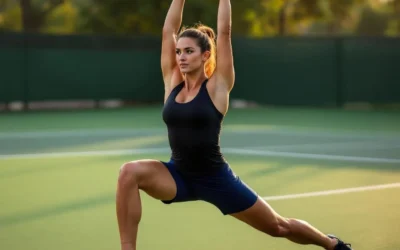
You don’t always need a ball to improve. Sometimes, leaving the fuzzy yellow orb behind lets you drill deep into the essentials. Shadow swings—practicing strokes without a ball—help you deconstruct and perfect every motion, free from distractions.
Go slow at first. Mirror your forehand, backhand, or serve. Pause at each stage—the take-back, the contact, the follow-through. Visualize the path your racquet should carve; pay attention to where your weight shifts and how your wrist snaps. These micro-adjustments are hard to correct mid-rally, but easy to ingrain now.
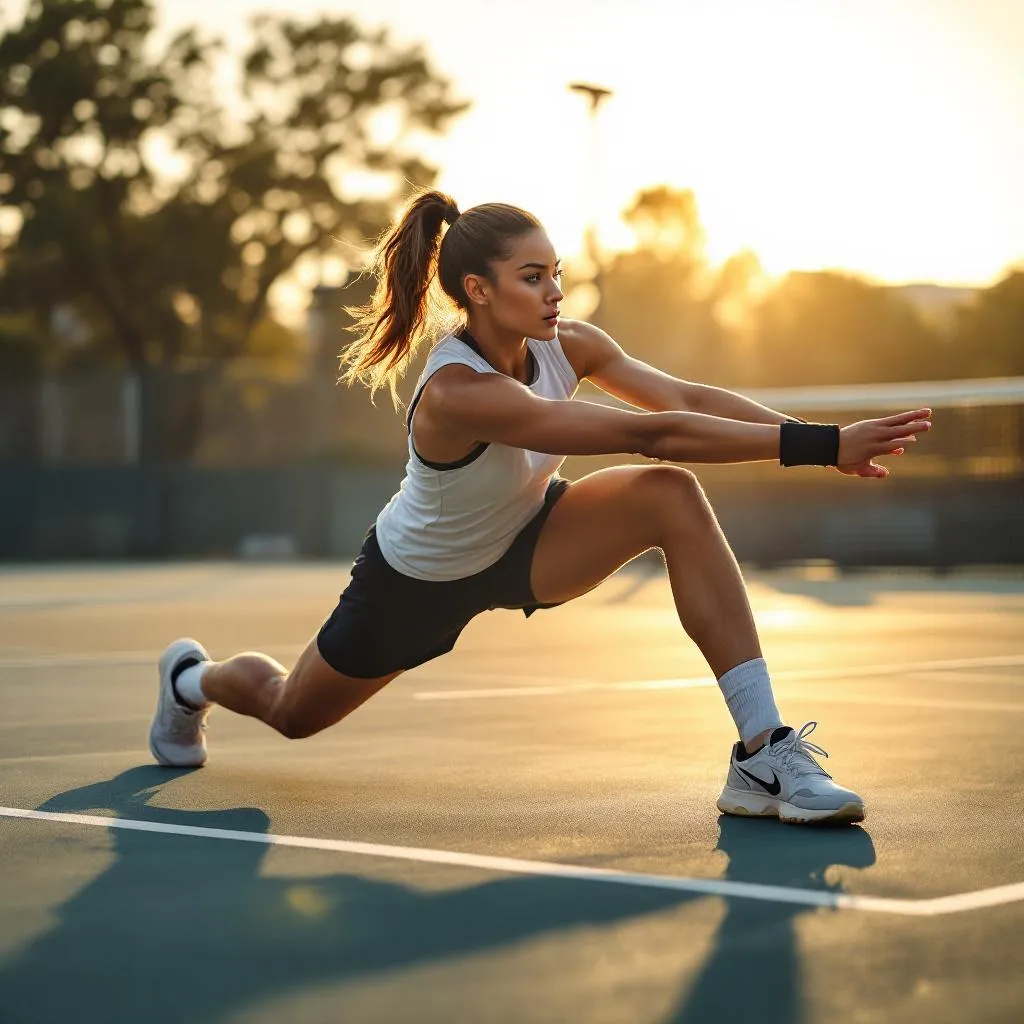
Alongside technique, movement is critical. Work on specific footwork patterns, such as split-steps at every “imaginary” ball strike, lateral slides, or shuffles into position. Picture yourself racing to cut off a sharp angle or resetting after a deep shot. These habits—built slowly—become the autopilot responses that keep you balanced and ready in real matches.
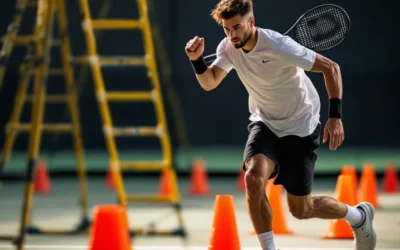
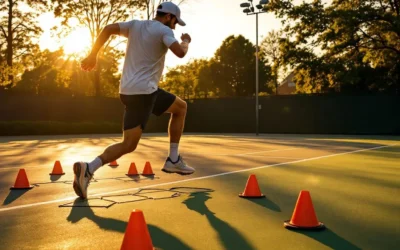
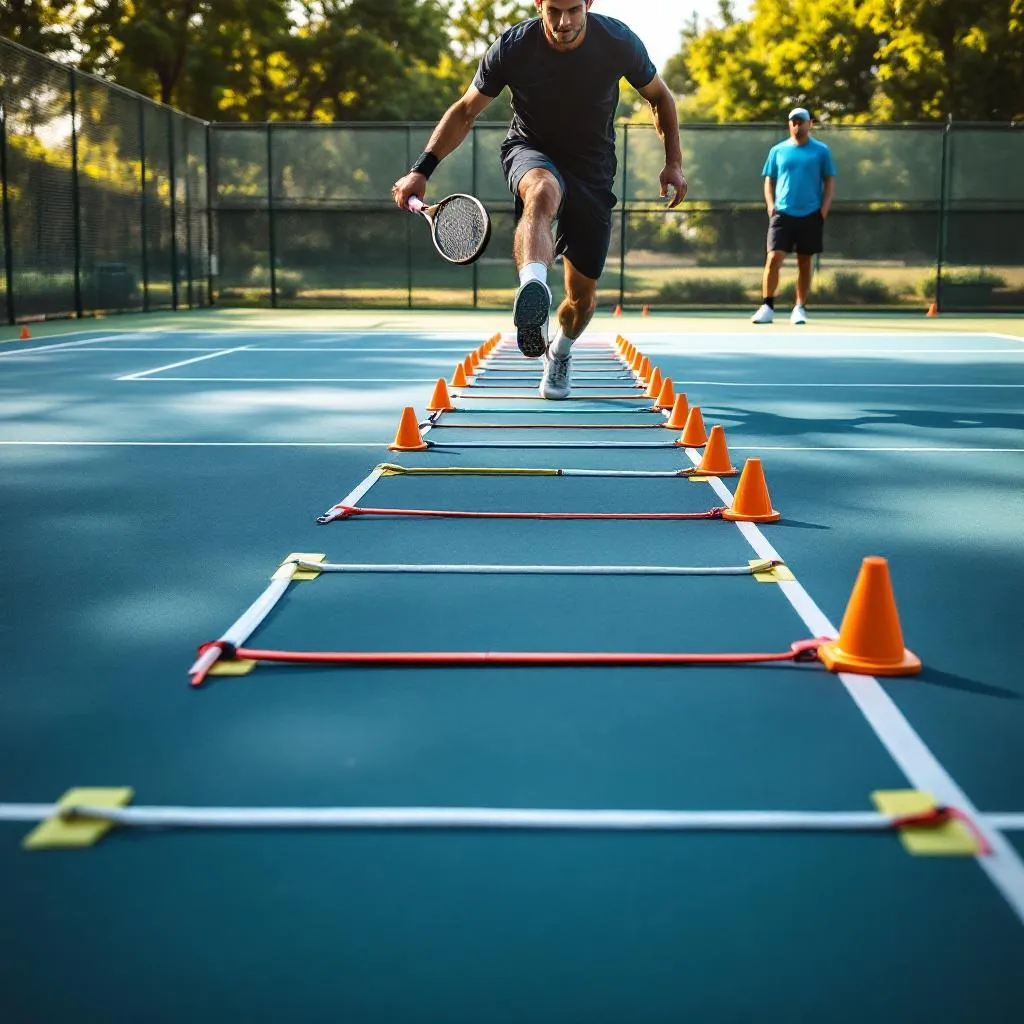
Throw in agility drills: ladder footwork, hopping side to side, or stepping rapidly around cones. These not only improve your court speed but keep your brain agile too, so you’re always alert and prepared for the next shot.
Make it mental—imagine match scenarios as you move. An opponent’s heavy topspin drives you wide; a soft drop shot calls you forward; a flat screamer demands fast reactions. Acting these out ingrains movement and decision-making, forging instincts you’ll trust when the pressure mounts.
Solo Practice—Discipline in Action
Training alone is its own form of discipline—a quiet, determined effort to close the gaps in your game. Lean into the repetition: the relentless rhythm of the ball against the wall, the machine’s mechanical cadence, the silent rehearsal of your strokes in the empty air. Each serves a purpose.
Put in this solo work, and you’ll notice it: cleaner technique, sharper footwork, and a calm confidence when it really matters. Because when you finally step into a match, you’ll know the time you spent alone is what carried you forward—shot by shot, step by step.
Tags: tennis, solo drills, ball machine, wall practice, footwork, self-training