If you’ve ever wondered whether a tennis ball machine will actually shape up your game, the short answer is yes—though it’s not that simple. Machines don’t possess a magic switch for skill. But with the right approach, they supply something just as valuable: steady, focused practice that hones your shots, cements muscle memory, and pushes your conditioning one strike at a time. Still, the trick isn’t just in owning the equipment. Improvement springs up when your training fits where you are—and where you’d like to be.
A lot of players fall into extremes. A shiny new machine arrives, and they expect overnight results. Others scoff, explaining they could never replace the unpredictability of a real match. But mastery in tennis doesn’t grow from shortcuts or purity tests. Like anything worth learning, real progress waits somewhere in that messy middle.
Do Tennis Ball Machines Actually Make You Better?
It’s a fair question. Many club players, juniors, even seasoned competitors, are haunted by doubt. “Will all these hours locked in with the machine really pay off when there’s someone across the net?” As with most tools, it depends—on how you wield it, and whether what you use matches your needs. A ball machine isn’t a cheat code. Think of it, instead, as an amplifier. If your goals are clear and your focus sharp, results follow methodically, with a kind of quiet momentum. Thoughtless repetition, however, leads nowhere, no matter how fancy the features.
Why Repetition Is the Secret Ingredient
Tennis isn’t only about explosive rallies and highlight-reel shots. The backbone is formed in ordinary, repeated motions. Every forehand you swing, every backhand you groove—these etch deeper neural pathways for timing, coordination, and instincts that, over time, become second nature. Here lies a ball machine’s secret advantage: it simplifies the chaos. The randomness of a regular rally—skewed feeds, partner errors, the fatigue that interrupts flow—vanishes. Every ball comes the same. You focus on one movement, break habits, and build new patterns.
Coaches know this drill. After a lesson corrects a flaw, a machine helps hammer that change into muscle memory. Not by overwhelming, but by offering uninterrupted, mindful practice until improvement feels organic.
Building Consistency, Building Trust
First, you notice your swing smoothing out. Instead of fighting to muscle the ball with every hit, you trust the path of your racquet, let the mechanics carry you. Machines won’t turn you into a champion overnight, of course. What they will do is quiet that technical static—clean up wasted movement and make the process of preparing for and striking the ball more reliable. The less you think mechanically, the more you can think tactically when a real match gets gritty.
But let’s get real: a machine can’t move your feet for you. The myth that hours by yourself with oscillating balls fixes footwork is just that—a myth. Machines open the possibility, but it’s on you to follow through. If you use the side-to-side oscillation, force yourself to recover, and treat every shot as part of a moving puzzle, your recovery and court sense slowly but surely sharpen. If you just plant your feet, you get what you put in: very little.
Fitness From Relentless Practice
For most players, one of the earliest surprises is how fast the heart starts pounding. Ball after ball, minute after minute—your legs are burning, your balance tested, your endurance stretched. There’s no standing around, and precious little time to dwell on errors. This rhythm translates almost invisibly to greater match stamina. Those grinding baseline exchanges that once left you gasping? Suddenly, you find another gear.
What Tennis Ball Machines Can’t Do—And Why That Matters
All that said, a machine can’t think for you. It won’t show you an opponent’s patterns, or punish you for poor tactical choices. It doesn’t adapt, and it doesn’t mindgame. Your ability to solve problems, read body language, anticipate subtle changes in spin—all of that develops in the messy, reactive world of real play. That’s not a limitation, it’s the role of the machine. Let it build execution, free up technique, and trust matches to test your judgment when the moment comes.
Likewise, the machine never judges. It throws ball after ball, offering no whispers of correction or praise. Repeat a backhand with shoddy technique a thousand times, and you’ve only reinforced a bad habit. This is why the best players mix up their routines: a lesson to tweak, maybe some video analysis, and then back to the machine to lock in new patterns.
Choosing the Right Tennis Ball Machine—Fit Over Flash
Why are so many tennis ball machines gathering dust under benches? Not because they’re faulty, but because they’re wrong for their owners. Over-complicate controls for a beginner, and confusion sets in. Hand an expert a basic model with no spin control, and frustration is guaranteed. The key? Match the machine with your skill, your physical space, and your ambition. Comfort and consistency of use are what turn a piece of gear into a true asset.
Tailoring Features to Your Playing Level
If you’re just starting out, look for something straightforward—easy to move, a pace and spin you can manage, enough repetition to build confidence. Once you’re intermediate, you’ll appreciate machines that challenge with adjustable delivery, extra spins, and the ability to mix up targets. Advanced players? You’ll want to program real-life scenarios, move the machine around, and fine-tune every variable. Any platform that helps size up machines this way—like pusuntennis.com—can help you dodge expensive mismatches.
Solo Training vs. Live Play—Don’t Choose, Combine

Some things can’t be faked. No machine replicates the nerves or unpredictability of a live opponent. But when you accept that the greatest growth comes from weaving solo work into real matches, you’ll see why so many top players never practice without both.
Is a Tennis Ball Machine Worth It?
If you’re someone who practices regularly, the convenience of hitting when you want, how you want, is priceless. You train more. You get better. If you only play twice a month, renting or borrowing might make more sense. Know yourself—and act accordingly.
Getting the Most From Your Machine
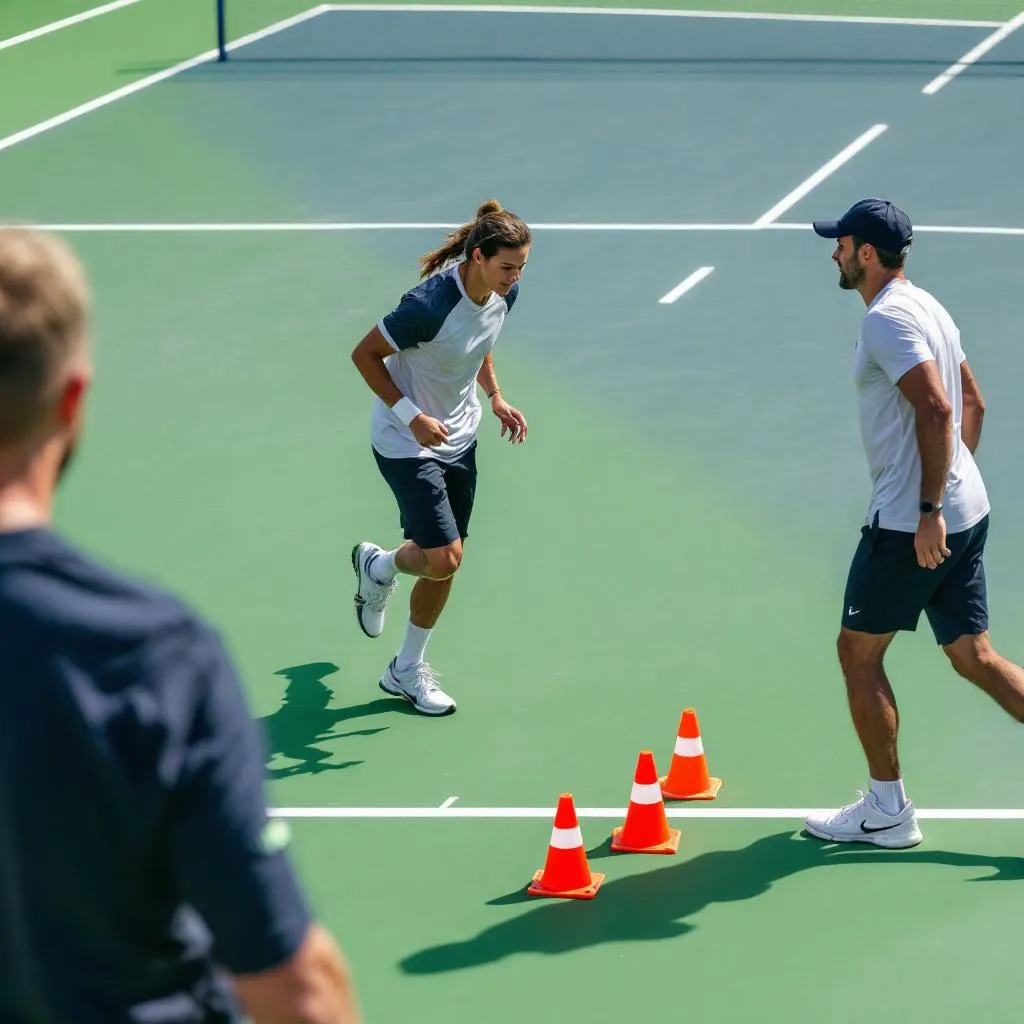
There are a few golden rules to keep your sessions sharp. Set a clear purpose each time, whether it’s fixing your forehand or finding consistency on serve returns. Forget mindless repetition. Place cones or targets, change up pace or spin, and challenge yourself to adapt. That’s how skills transfer to the real thing.
Time matters. For most, two to four sessions a week, each half an hour to an hour, is plenty. More is not always better—the goal is steady growth, not burnout.
Why People Trust Pusun Tennis
Shopping for a ball machine can be daunting, but certain brands make the process clear. Pusun Tennis, for example, tailors its machines for every type of player and layout, stripping away the guesswork. That means less anxiety, more confidence, and investments that pay off for years.
The Bottom Line
A well-chosen tennis ball machine won’t make you a champion overnight. But paired with real matches and honest effort, it shapes you into a steadier, fitter, more self-reliant player. The right fit—just like a racquet or a pair of shoes—means everything.
Frequently Asked Questions
Does a ball machine make you better?
Yes—if you use it intentionally. It builds stroke stability, timing, and belief in your swing.
Good for beginners?
Absolutely. Predictable balls make learning less stressful and encourage proper basics.
Can it replace a coach?
Never. Machines fuel repetition. Coaches provide the insight, correction, and wisdom.
How do I pick a machine?
Think about your skills, space, how often you’ll use it, and whether you’ll carry it alone. Tools like Pusun Tennis help narrow the field.
Buy or rent?
Buy if you’re serious about practicing often. Otherwise, test the waters first.
Can it help you win more matches?
Indirectly, yes. Better execution and calmer nerves usually lead to more wins—especially if you combine drills with live play.
—
Ultimately, the tennis ball machine is what you make it: a partner, a mirror, a tireless motivator. If you enter each session with a sense of purpose—and don’t forget the pleasure of the game—it will quietly transform your tennis, one steady ball at a time.