Padel—a game often described as “pickleball’s more refined relative,” or called “the world’s fastest growing sport”—is quietly building momentum across the United States. Strip away the headlines and flashy adjectives, and what’s left is a sport on the verge of its most explosive growth yet, attracting everyone from weekend athletes to celebrity investors.
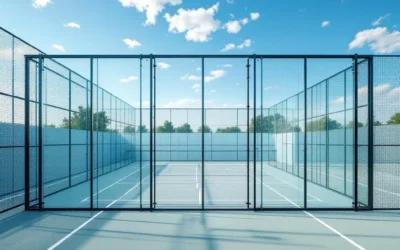
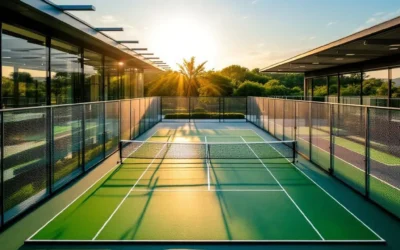
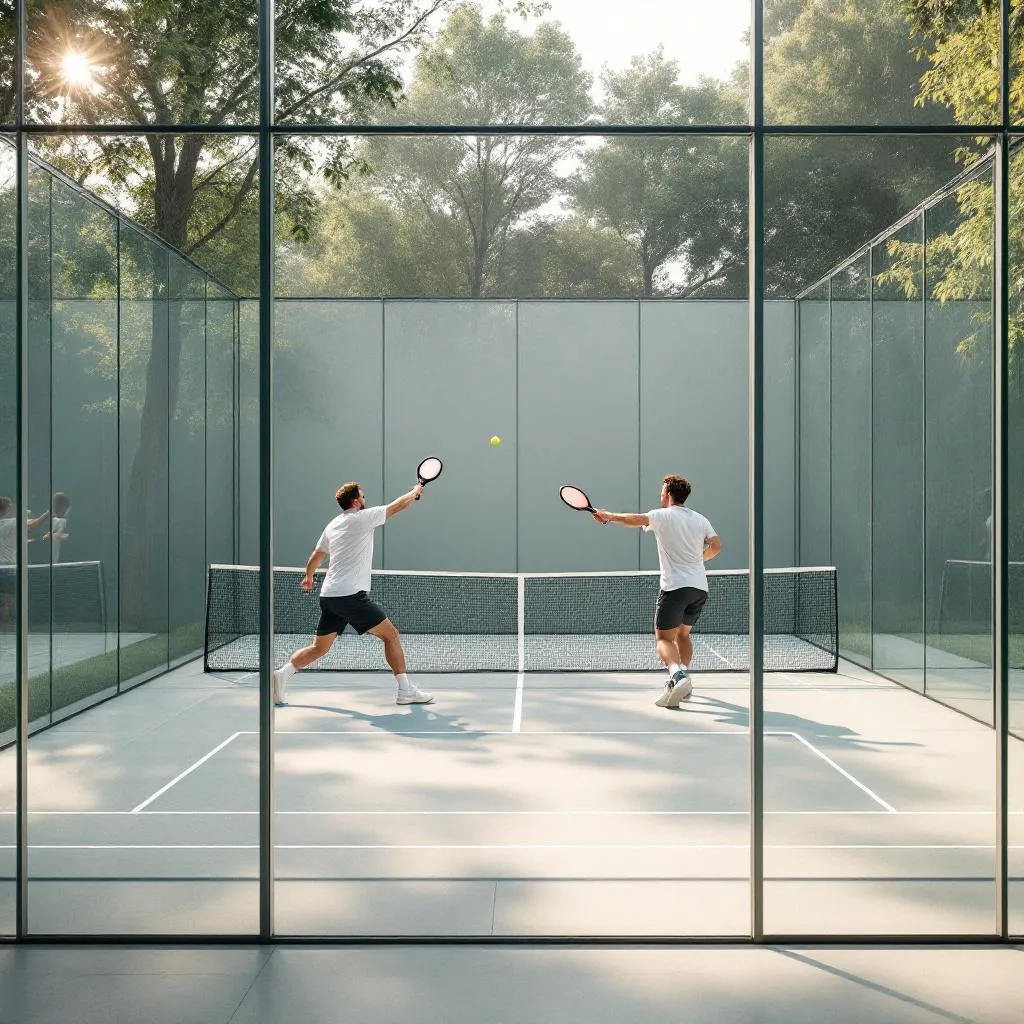
Let’s start with the basics. Imagine a blend of tennis and squash, with hints of racquetball, all played in a glass-and-metal-walled box about one-third the size of a tennis court. The surface is synthetic turf, the points are scored like tennis, but the equipment is very much its own breed. Instead of stringed racquets, players wield thick, solid paddles, punctured by thumbtack-sized holes, lending the sport its distinct “pop” every time the ball is struck. The ball used here is unique too—smaller and slightly less pressurized than a tennis ball, resulting in a lower bounce and gentler speed.
There’s even friendly confusion around how to say it: some rhyme it with “paddle,” while others soften the “e” (“puh-DELL”). Either way, padel’s rise is hard to mispronounce.
Internationally, padel falls under the purview of the International Padel Federation (FIP), while stateside, the United States Padel Association (USPA) coordinates standards and events. And everywhere, the energy is unmistakable. Reports show a 22% increase in clubs globally in just 2024, with southern Europe leading the charge. Across the Atlantic in America, the sport is only getting started, but analysts forecast a breakout after 2026—when the true explosion is expected.
Padel’s current proliferation is astonishing. In 2024 alone, nearly 3,300 new clubs cropped up worldwide (almost nine every day), collectively pushing the total number of courts beyond 50,000. By 2027, experts predict there will be more than 81,000 courts globally. Unlike traditional tennis or pickleball facilities, which are often custom-built onsite, padel courts are typically pre-fabricated kits—making setup quicker and, in many cases, easier.
Several industry trends are fueling padel’s rise in the US: a domestic supply of court kits is emerging, a new generation of contractors is gaining expertise in installing these courts, and more accurate construction guides—soon to be published by the American Sports Builders Association—are helping clubs and schools get in on the action. According to data from Playtomic, an app dedicated to booking racquet sports venues, the number of new padel courts has increased fivefold since 2016, with growth expected to continue at over 17% annually. Clubs are hurrying to add facilities, while private courts pop up in backyards nationwide.
“Every two and a half hours, a new court opens somewhere in the world,” notes Playtomic’s Pablo Carro. “Padel now sits at the table with the world’s most beloved sports.”
As of now, padel boasts a presence in over 90 countries, showing skyrocketing popularity in markets such as Portugal, the Netherlands, the U.S., the U.K., the UAE, Mexico, India, and Indonesia. Players keep coming back, too—the sport’s 92% return rate speaks volumes about its social, accessible, and wildly addictive nature.
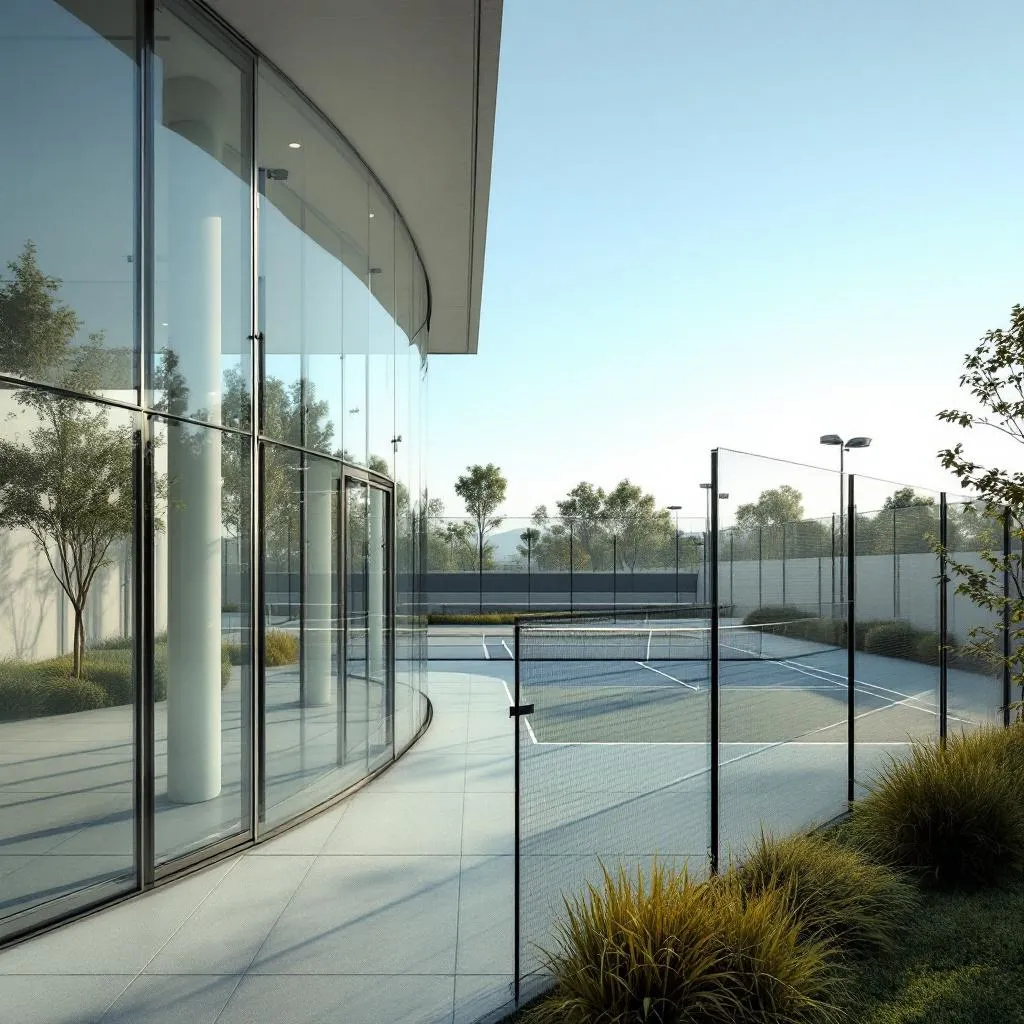
In America, padel and pickleball are increasingly twinned; now, roughly 30% of all U.S. pickleball venues also offer padel courts, up from just 12% the year before. Even the U.S. Tennis Association’s flagship facility in Florida has embraced the trend, housing tennis and padel side by side.
With the FIP’s backing, padel leaders are hoping to showcase the sport at the 2032 Olympics in Brisbane. As USPA’s Scott Colebourne puts it, “People watch for a minute, and they’re hooked. You can wear the same shoes, the same gear. Just pick up a racquet and find a court—easy entry for anyone.” Yet the Olympic dream faces a reality check: only Spain and Argentina currently field top-tier national teams. But that’s starting to change. In 2024, both the U.S. men’s and women’s teams qualified for the World Padel Championships, a sign of homegrown talent on the rise.
The strongest American padel scenes are clustered in Miami and Houston, with growth radiating out to Austin and Dallas, plus emerging clubs in New York, Boston, Chicago, and Los Angeles. Franchises like Padel Haus, Bay Padel, Reserve, Conquer Padel, and others are racing to secure real estate, and some—like Conquer—have big ambitions: at least 50 new clubs nationwide.
Padel’s surge has even caught the attention of athletes and celebrities—David Beckham, Maria Sharapova, Novak Djokovic, and even Andy Murray (who’s invested in a chain of courts) are vocal enthusiasts. Football icon Lionel Messi built his own court at home. Spider-Man star Tom Holland is both investor and evangelist, recently hosting a major celebrity tournament in London—and all of it streaming out to millions of fans online.
Despite this momentum, padel in America faces the same challenge that once slowed racquetball: a lack of public courts means most venues are tucked away in private clubs or affluent backyards. For those discovering the sport in new cities—or for international fans accustomed to public, open courts—this can be a frustrating barrier.
Yet, somehow, padel keeps pushing forward. The post-pandemic energy behind individual club sports is strong, with demand for courts rebounding in communities nationwide. As PwC’s Elena Martin puts it, the sport has “recovered with real organic, sustainable growth,” its future on a firm foundation.
If predictions hold, by 2027, the U.S. could boast more padel courts than any country in the world. For now, whether you find yourself swapping serves in a sparkling Miami facility or on a backyard court in California, one thing is clear—padel’s moment has arrived.