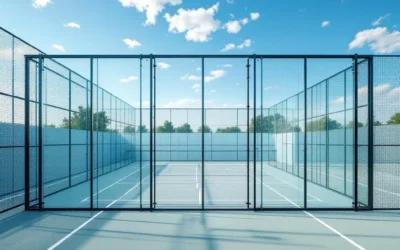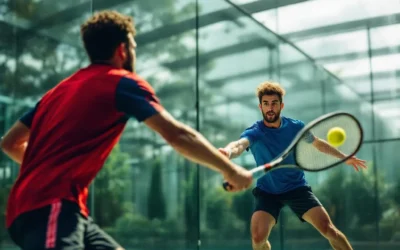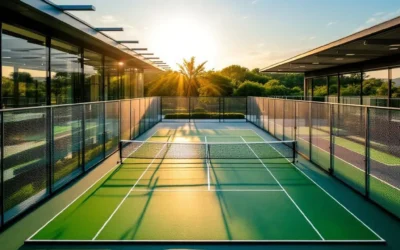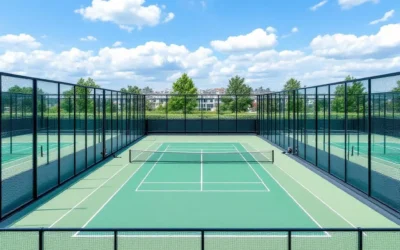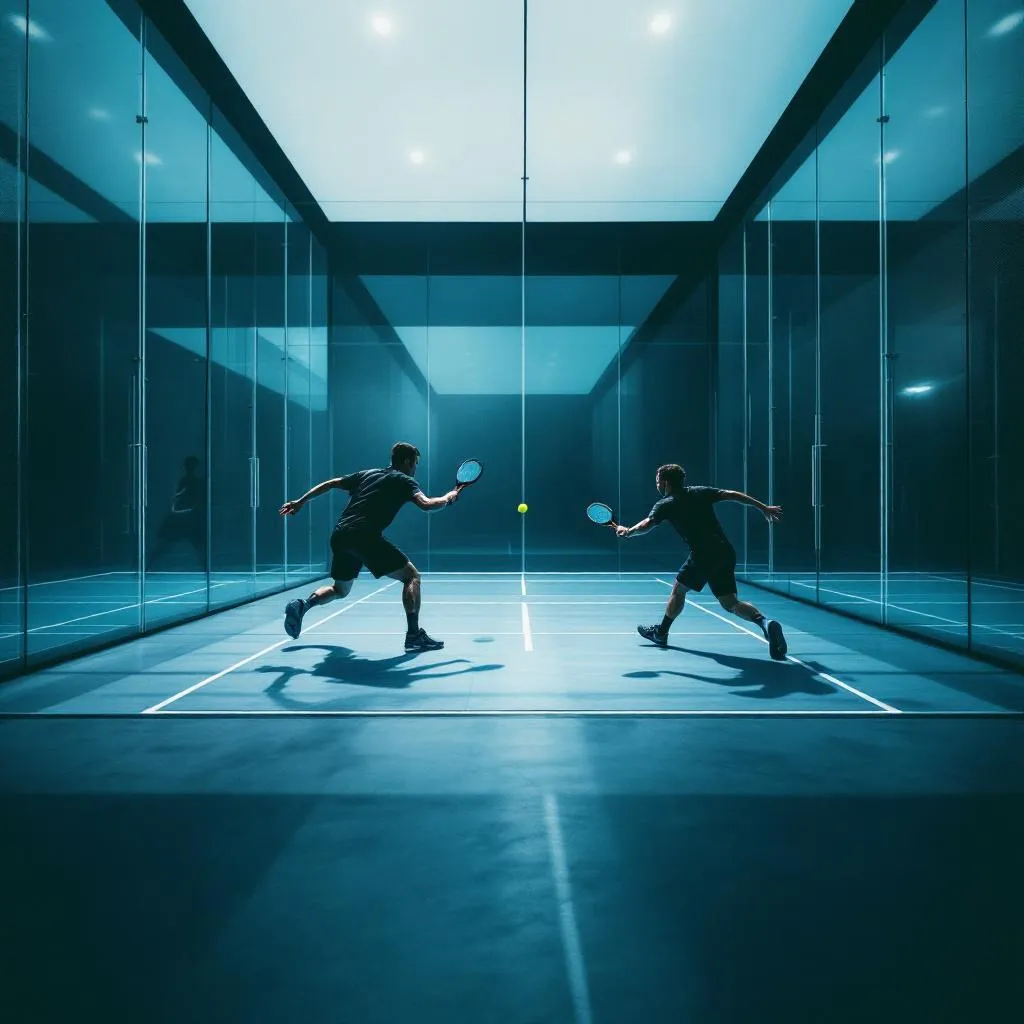
Padel looks simple enough at a glance—small court, glass walls, racket in hand. But if you’re just starting out, the list of things you’ll want to know stretches far beyond the service line. Maybe you’re here because friends or colleagues won’t stop talking about it, or perhaps you’ve glimpsed a match and curiosity caught hold. Whatever brought you, you’re in the right place. Let’s break it down: the gear, the rules, the rookie missteps, and, more importantly, what no one else bothers to tell beginners.
No Two Beginners Are the Same
One person walks onto the court gripping their first racket, unfamiliar with the sensation of padded grip or the echo off glass. Another arrives with muscles honed by years of tennis or squash—different reflexes, some habits that might translate, others that’ll need unlearning. Your sporting history becomes your roadmap. If you’ve already played another racket sport, the angles, anticipation, and movement might seem less foreign, but don’t assume everything carries over smoothly. Padel rewards patience and adapts poorly to rushed aggression, even from former aces.
Before diving in, ask yourself: What do I already bring to the court? Awareness here will shape how you approach practice sessions, choose equipment, and adjust your expectations in those first few weeks.
Selecting Your First Padel Racket: The First Decision (With a Dozen Questions Attached)
Walking into a sports shop or scrolling through endless online pages, you’ll likely feel a mix of excitement and confusion. Why so many shapes? Does price guarantee quality? Is this just a tennis racket in disguise? Ignore the price tags and flashy colors for a moment. The only thing a racket needs to do at this stage is feel comfortable, manageable, and reliable for your current level.
Should You Splurge Right Out the Gate?
Here’s the honest answer—don’t. High-end rackets may look tempting, but they’re crafted for agility and technique you haven’t built yet. Their stiffness punishes any misstep, and brittle sweet spots can turn early matches into a lesson in frustration. Give yourself permission to start simple. Lightweight, soft-core rackets are built to forgive minor errors and help you concentrate on control, not brute force.
If you’re transitioning from an advanced background in tennis or squash, you might get away with starting a little higher on the scale, but most still benefit from gear meant for beginners. Let your technique develop naturally before you invest in something specialized.
What Factors Matter Most in a Beginner’s Racket?
Prioritize weight, balance, and materials.

- Opt for rackets weighing between 340g and 365g—just enough heft to teach control without tiring your wrist or elbow.
- Balance shapes how the racket behaves: diamond-shaped, head-heavy models give power but are less forgiving; rounder designs are easy to maneuver, absorb vibration, and allow room for error—ideal when you’re still finding the sweet spot.
- Materials matter: fiberglass and soft foam tame vibrations and help you build confidence in each shot. Carbon fiber is sharp and direct—good for touch and power, but better reserved for later.
Beginner-Friendly Rackets: 2025’s Standout Options
To avoid wading through dozens of models, focus on rackets with these traits:
- Lightness paired with a forgiving face
- Soft foam for comfort in impact
- Accessible price—don’t overspend
- A grip that fits securely, not slipping out of your hand mid-game
Manufacturers are responding to growing demand, so expect stellar entry-level gear this year—combining clever design with materials gentle enough on your learning curve.
Shoes: Overlooked, But Essential
Tempted to grab your old tennis sneakers? They’ll do for a few sessions, but you’ll soon sense the difference. Padel shoes are built for synthetic turf and quick, lateral movement; their tread offers extra stability and fewer slips on tight turns. If you’re in this for more than a month, invest in court-specific shoes. Your knees and ankles will thank you.
Don’t Get Caught Out by the Rules
On the surface, padel’s scoring mirrors tennis, but key twists set it apart. The “golden point” tiebreak, the specific rules for serving, and certain let calls can catch new players unaware—and an awkward argument never makes a rally more fun. Take ten minutes. Learn the system. It’ll save you confusion and keep the focus where it belongs—on the point in play.
A Few Key Words in Spanish Won’t Hurt
Padel is soaked in Spanish lingo. Over time, you’ll hear terms like bandeja, chiquita, and víbora. Knowing what they mean isn’t just about blending in; understanding the moves will make you a faster, more confident learner. Pick up the essentials early. You’ll feel at home on court much sooner.
Ready to Step In?
The basics are yours now: gear that fits, shoes with grip, rules understood, and perhaps a few Spanish words for flavor. There’s nothing left but to get out there, feel the rhythm of play, and let the learning begin. The court is waiting—are you?