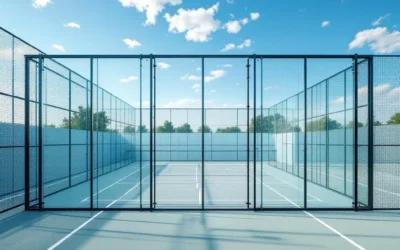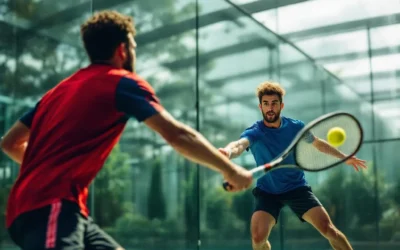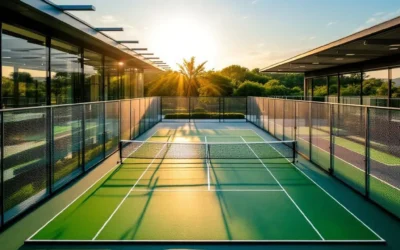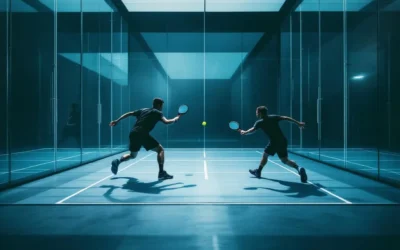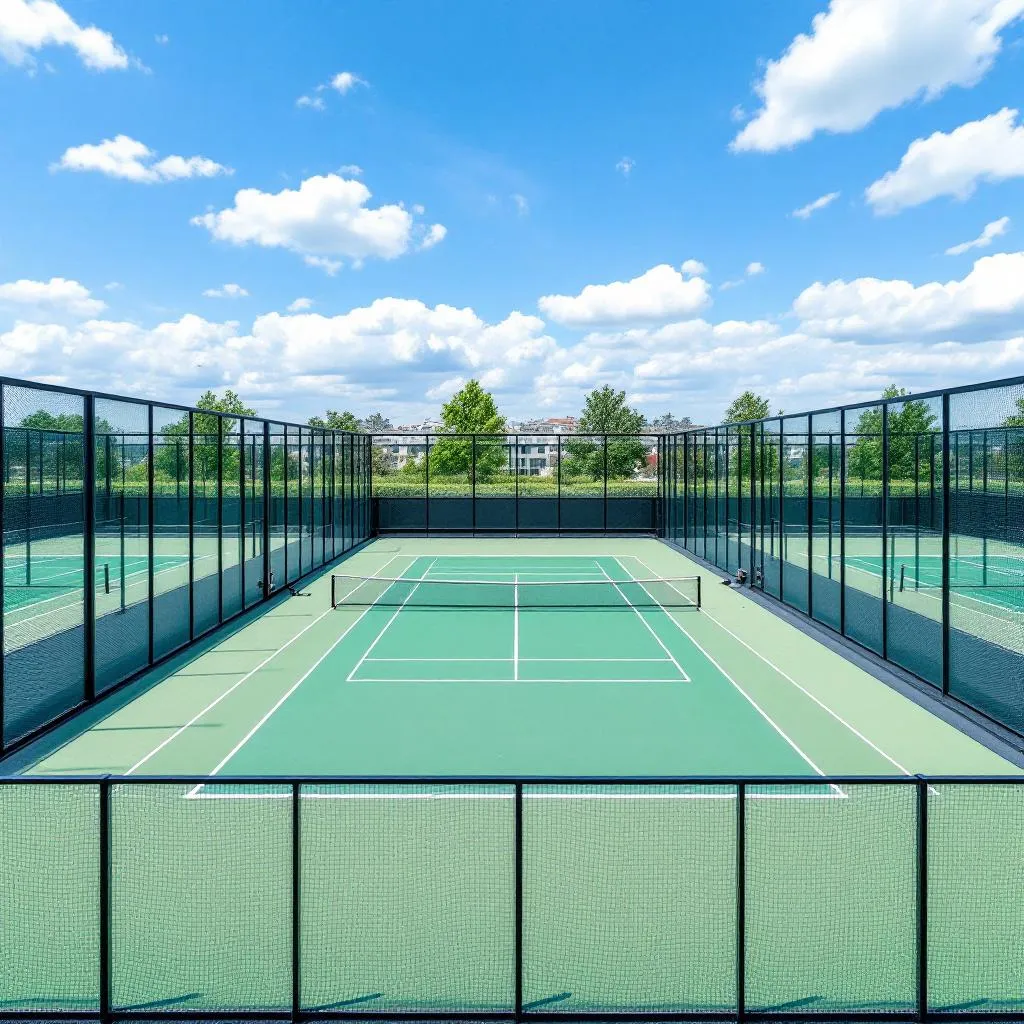
Imagine this: you walk onto a padel court for the first time. There’s a nervous fizz in your stomach, but curiosity wins out. All you really need is a sturdy round bat, supportive shoes that won’t slip, and a handful of lime-bright padel balls (though, let’s be honest, most clubs will lend you all this for your first go). Someone hands you a bat, and before you know it, you’re stepping onto the synthetic grass with three others—padel is almost always played in doubles. That’s the beauty of it: you’re not alone, and the game’s design makes sure you’re in the action from the very first rally.
If you’re starting from zero, here’s the simplest way in: sign up for a beginner-friendly group session. Let them worry about the equipment. Chances are, you’ll borrow a bat and ease right in with social doubles. The serve is underarm (no acrobatics required), and the magic of padel lies in the glass walls: after a bounce, the ball can ricochet off the back or sides, opening up fast, unpredictable rallies that feel different from tennis or squash.
What should you really focus on that first day? Forget about brute strength. Instead, channel your energy into placing the ball, controlling its height, and keeping the rally moving. Stay in sync with your partner—that’s where the fun begins. If you rally even a handful of times, you’ll walk off the court wanting more.
### Getting Started: Roadmap for Newcomers
The path into padel is refreshingly straightforward. Dive in with clear instructions and an open mind. Here’s what to expect and where to look for answers:
- First Moves: Curious what your first session will be like? Imagine a low-pressure atmosphere, a handful of simple rules—nothing too dense or technical—and guidance from someone used to showing absolute beginners the ropes. They’ll walk you through basics: where to stand, how to serve underarm, and the surprising utility of those glass walls.
- How hard is it, really? Most people find padel easier than tennis. Smaller courts, softer bats, and the social doubles format lower the stakes and help you find your rhythm quickly. The trickiest part for most? Timing your shots off the walls, but it comes fast—half the fun is figuring it out as you play.
- Time to Learn: Expect to return home from your first session tired but happy, already understanding scoring and basics. After a week or two of games, most can rally and score with confidence. You’ll see genuine improvement fast—this sport rewards enthusiasm.
- Coaching: Needed or Not? Not essential, but useful. Group beginner sessions work wonders: you’ll learn the correct positioning and technique early, sidestepping bad habits that slow your progress. If you want to upgrade, individual lessons can sharpen your skills—but the camaraderie of group play keeps many coming back.
### Equipment, Clothing & Getting In
Padel doesn’t demand much. At the start, clubs often provide essentials—bats, balls, and maybe even shoes. As you progress, invest in a comfortable bat and court-specific shoes with solid grip. Don’t worry about fancy gear for your first session. Clothing? Opt for something breathable and athletic; comfort and freedom of movement are key.
Worried about cost? Don’t be. Compared to other racket sports, padel is gently priced. A starter bat won’t break the bank, and group sessions are far cheaper than tennis lessons. Test the waters before buying your own kit.
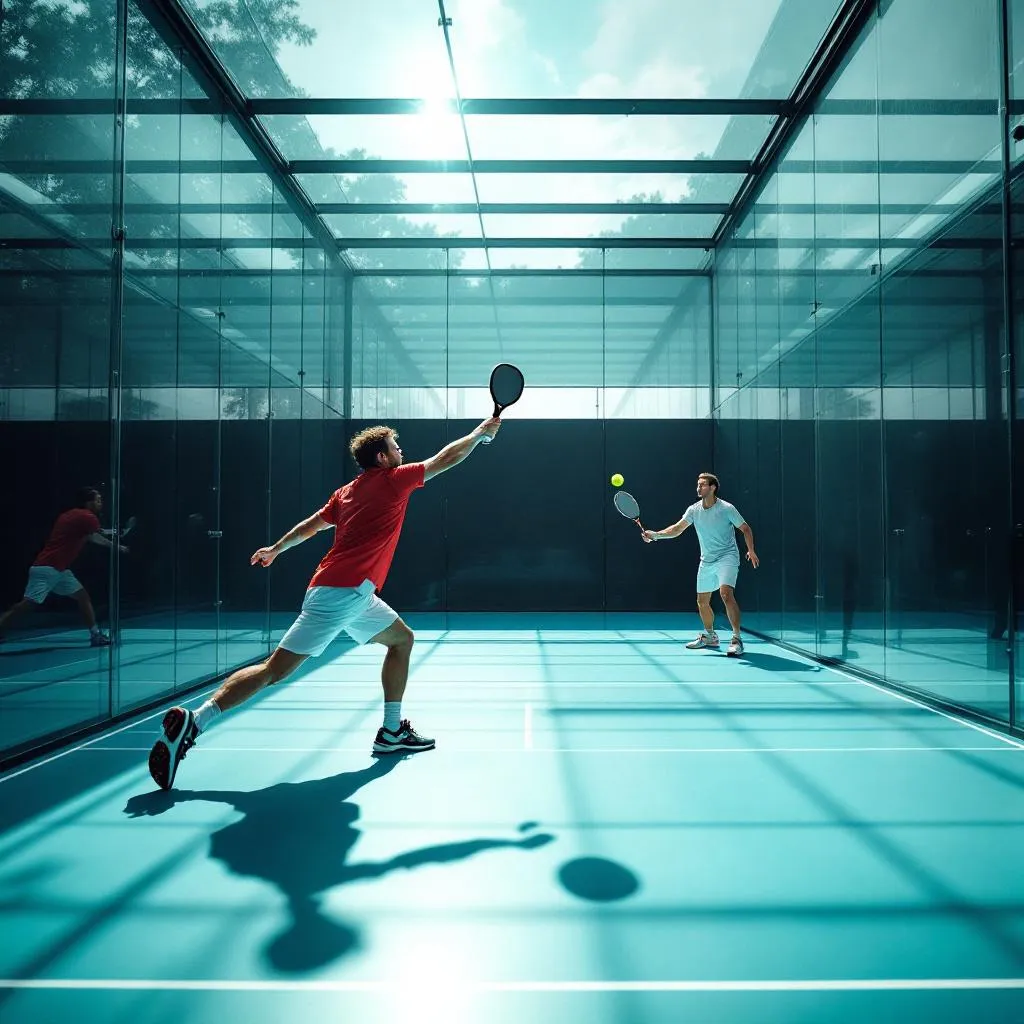
### The Human Side: Padel as Community
Padel is a sport engineered for sociability. Fast-paced, accessible, and always played in doubles, it dissolves barriers. Newcomers are embraced, and matches have a way of mixing skill levels without anyone feeling left out. In the UK alone, that community spirit is fueling astonishing growth—courts are popping up everywhere, and clubs are bustling with fresh faces.
Why does padel feel so inviting? It’s partly the rules—speedy rounds, natural conversation between points. Etiquette emphasizes respect and fun. By your second or third session, you’ll know other players by name, and the court starts to feel like a second home.
### Origin Stories: Why Padel is Unique
Padel’s DNA is different. Born on a sun-bleached court in Acapulco in 1969, it evolved from a desire for social, accessible play. The walls—integral to padel—transform every point, turning defensive shots into attacks and rewarding clever placement over brute force. Learning why the court is built this way connects you to decades of international evolution.
### Starting with Corcuera: Why it Matters
Clubs like Corcuera anchor their approach in the sport’s original principles: inclusivity, understated skill, and a love for the game’s spirit. They’re dedicated to helping newcomers find their footing, boosting your confidence so you can relax and enjoy right from the get-go.
So, how do you jump in? Book a beginner group session—no pressure, all welcome. Once you’ve played, think about getting your own gear. But first, just step out, try a rally, and let yourself smile at that first satisfying shot ricocheting off the glass.
Frequently Asked Beginnings:
- Is it really beginner-friendly? Yes. Most pick up the basics quickly, often finding padel less intimidating than tennis: smaller courts, doubles setup, and forgiving walls mean you spend more time playing and less time chasing runaway balls.
- Do I absolutely need lessons? No, but a few tips early on can help you avoid sticky habits. A single session can set you on the right path.
- What do I need? Just enthusiasm, really. Clubs usually supply bats and balls to start, so try before you buy—and see where the game takes you.