Padel: A Vital Beginner’s Manual for Your First Serve
Padel is exploding in popularity. You see it everywhere—from city parks to private clubs, entire communities of converts trade tennis rackets for solid, stubby bats and a game that rattles with energy. Many step onto the court out of curiosity, but without a handle on the basics, the spark of the sport can stay just out of reach. So, before you step inside that glass-and-metal cage for the first time, pause here. Let’s unravel the essence of padel—what makes it such an addictive, charming tangle of skill, speed, and camaraderie.
The Anatomy of a Padel Court
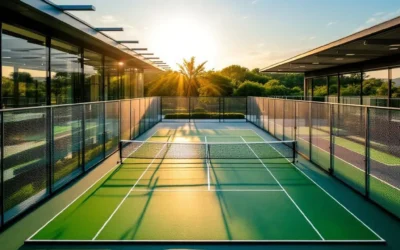
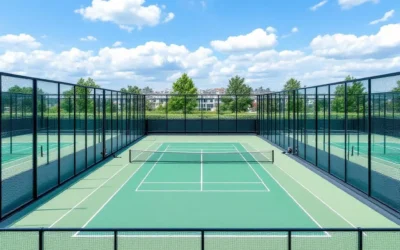
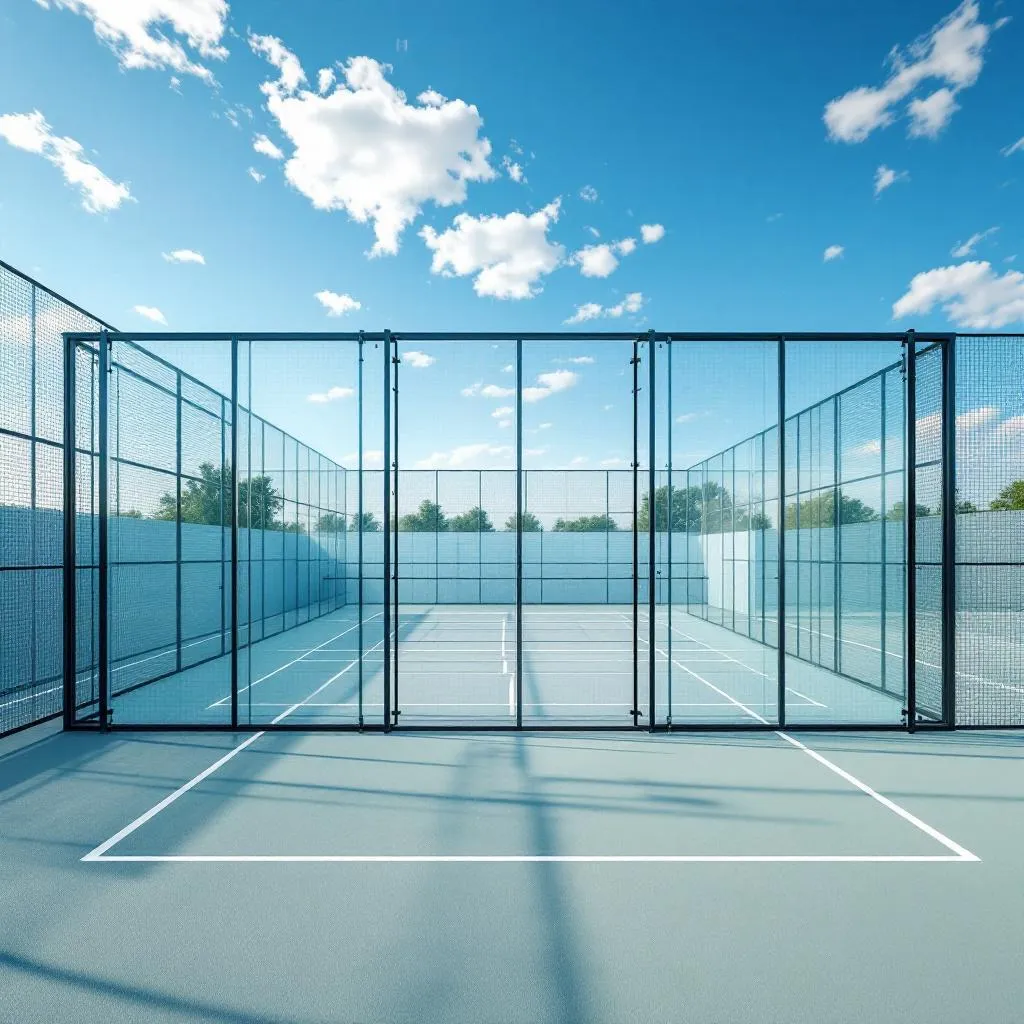
Visualize a rectangle, 20 meters by 10. Shrunk and condensed compared to tennis, this arena is split in half by a low net—just 88 centimeters high. But what instantly sets padel apart is the sense of enclosure: looming glass sheets and taut mesh fencing, rising three or four meters upwards, box the players on all sides. The air vibrates with the echo of balls ricocheting off glass, a sound as distinct as any heartbeat.
Look closer. Service boxes are carved six-point-nine-five meters from the net. At the court’s back, steel gives way to three meters of glass, then wire mesh climbing higher still. These boundaries aren’t just for show—they’re vital to the tactical heartbeat of the game, transforming even a defensive scramble into an opportunity.
Padel Equipment: Gear that Shapes the Game
Forget strings—padel rackets are solid, peppered with holes for balance. Light yet substantial, they sit between 350 and 390 grams in the palm. Safety isn’t a formality: never step onto the court without the wrist strap secured. On a humid day, a fresh, tacky overgrip can save both your control and your nerves. Padel balls appear tennis-like, but their bounce and structure suit the court’s pace and the racket’s punch.
How to Win a Game—and What Makes it Different
Points and Sets
If tennis scoring feels familiar—15, 30, 40, game—you’re in luck, because padel borrowed the system outright. Six games takes a set, but you’ll need a two-game lead to clinch. At 6-all, it turns to a tie-break: first to seven points. Most matches play out as best-of-three sets, so endurance and bursts of cleverness both come into play. To keep things even, players swap sides every odd game.
Partners by Rule, Not by Chance
One thing clear from the opening serve: you’re never alone. Padel is a game for pairs, always. Doubles isn’t just a format—it’s the sport’s DNA. Winning teams communicate constantly, calling “mine!” or “leave it!” when the ball sails overhead. That instinct to talk, to strategize, to cover for each other is the secret rhythm pulsing underneath every point.
Serving in Padel: The Ritual
Unlike tennis, power serves here never take center stage. Every serve is underhand, delicate yet precise. Stand behind the baseline; let the ball bounce once, then strike, keeping your shot low—waist-high or below, always. Aim diagonally across the net, just like in tennis. The ball has to clear the net, land in the opposing box, and may graze the glass after one bounce, but touch that wire mesh on the fly and you lose the point. Two serves per attempt—miss both, and that’s a lost point.
Common blunders: swinging too high, failing to clear the net, or sending the ball into the mesh. It’s a lesson quickly learned through trial, occasional error, and the quiet sting of a lost rally.

Walls: The Game-Changer
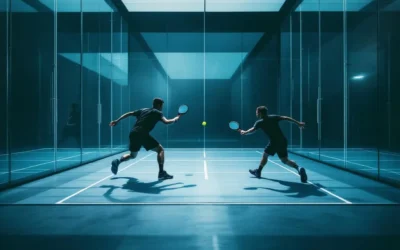
Here’s where padel truly diverges. Those walls? They’re fair game—a battleground for creative returns. After the initial bounce on the floor, the ball may strike the glass and remain in play. Players often propel the ball off their own wall to recover impossible shots. But the wire mesh? Strictly forbidden—send the ball there directly, and you forfeit the point.
Legal play always starts with a bounce on the ground—then the glass, maybe even multiple rebounds. The ceiling or mesh, meanwhile, spells immediate disaster.
What Trips Up Beginners
Some mistakes are heartbreakingly common for newcomers: touching the net with your racket or even a stray sleeve; smacking the ball twice in a scramble; or reaching across the net before the ball crosses onto your own side. Padel’s etiquette is strict but logical: only the natural momentum of your shot should carry your racket over the net, never your ambition.
Strategy and Positioning: Moving Like One
Padel isn’t just about dazzling reflexes. On offense, pairs edge closer, haunting the area two or three meters from the net, building pressure. On defense, you’ll find the best teams retreating in unison, paddles up near the back glass, reading lobs as they arch through the air. Well-timed shouts—“yours!” or “leave!”—keep confusion at bay. A partnership in padel is like a quiet, ongoing dialogue.
Advancing and retreating together, sensing each other’s rhythm: this, more than flashy shots, separates seasoned pairs from the newly initiated.
Padel vs. Tennis: What’s New, What’s Essential
While echoes of tennis remain, padel rewrites the rules. The serve is gentle by design—rallies grow longer and more tactical. The tight, 200-square-meter court heats up every exchange. Glass walls resurrect points that would be dead elsewhere, offering endless ways to surprise and recover. Doubles-only play forges a unique sense of teamwork, demanding awareness, quick wits, and a shared pulse.
The solid racket, lacking strings, leaves brute power to the imagination but rewards touch, timing, and control. It’s easy to learn, yet deep in strategy—a brilliant paradox that keeps crowds and players hooked alike.
Step onto the court. Feel the give of the glass under your shoes, the laughter of a partner at your back, the thrum of possibility whenever ball meets wall. Padel is waiting—simple to begin, hard to leave behind.