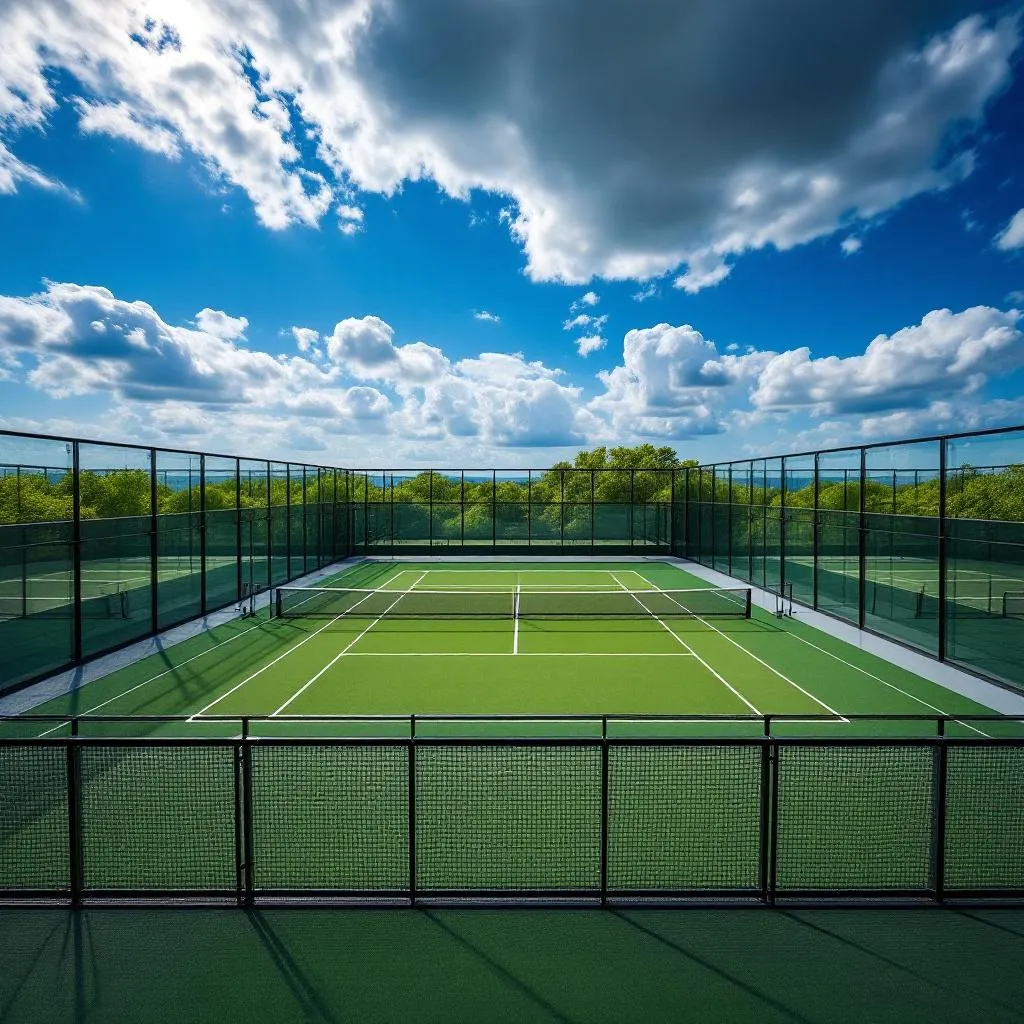
Mastering the Padel Serve: A Field Guide to Technique, Tactics, and Training
Stepping onto a padel court, one quickly learns: the serve means everything. Far from a routine opener, it’s your opening statement—a chance to seize momentum before the first rally kicks up dust. In padel, brute force alone won’t cut it; here, the serve is an exercise in precision, guile, and tactical awareness. One well-placed delivery can rattle an opponent or even flip the balance of a match before a point is truly underway.
Whether you’re a rookie gripping a racket for the first time or a seasoned club player hungry to break through plateaus, know this: how you serve often determines how much you win. Let’s dig into the heart of the padel serve, from foundational principles through to practice routines and the mental choreography that makes champions shrug off pressure.
—
The Padel Serve: Rulebook and Ritual
First things first: padel’s serve doesn’t mimic tennis. Instead, it introduces some quirky rules that shape gameplay from the get-go.
Picture this: to serve in padel, you must place yourself behind the service line, feet firmly on the ground. The ball isn’t tossed airborne but dropped—not lobbed, not flicked—and struck below your waist. The aim: arc it diagonally into the service box on the opposite side. Miss twice and it’s a double fault—no ifs, ands, or maybes.
Because the serve is underhand and subdued, subtlety becomes your best friend. Placement and spin matter far more than sheer velocity. Those who overlook this difference often flounder.
—
Building Blocks: Grip, Stance, and Intent
It all starts with how you hold the racket—the continental grip remains the gold standard. Imagine you’re swinging a hammer; your knuckles settle diagonally, enabling crisp, controlled wrist action. Your feet? One points toward your target area, spread shoulder-width apart. Weight on your toes, knees relaxed, ready to pivot forward.
Smooth transfer of weight is everything—the body works together, from ankles up to shoulders, to coax the ball just where you want it. This is less a brute strike, more a composed, rolling gesture.
—
Serve Flavors: Keeping Rivals Guessing
A rookie mistake: sticking to one serve. Diversity is your arsenal; predictability, your enemy.
- Flat Serve: The bedrock. Here’s your bread-and-butter—no fancy spin, just pure trajectory and accuracy. Drop the ball ahead of your lead foot, meet it center-face, drive it through the target zone. Use when you crave reliability, especially under pressure.
- Slice Serve: A game-changer. With a deft brush from high-right to low-left (if you’re right-handed), you craft wicked sidespin. The ball curves, kisses the glass, and erupts off the wall in unpredictable arcs, often forcing awkward, desperate returns. On tour, players rely heavily on slice—especially when pushing adversaries out wide or jamming them against the glass.
- Topspin Serve: Less common, but dangerous when wielded well. Work from low to high, carving up and over the ball. This creates a high, deep bounce, driving opponents off the line—especially effective if your rivals poach early.
- Body Serve: Not always glamorous, but ruthlessly efficient. Aim right at your opponent’s midsection or where forehand meets backhand. The cramped delivery stifles their swing, provoking timid replies.
—
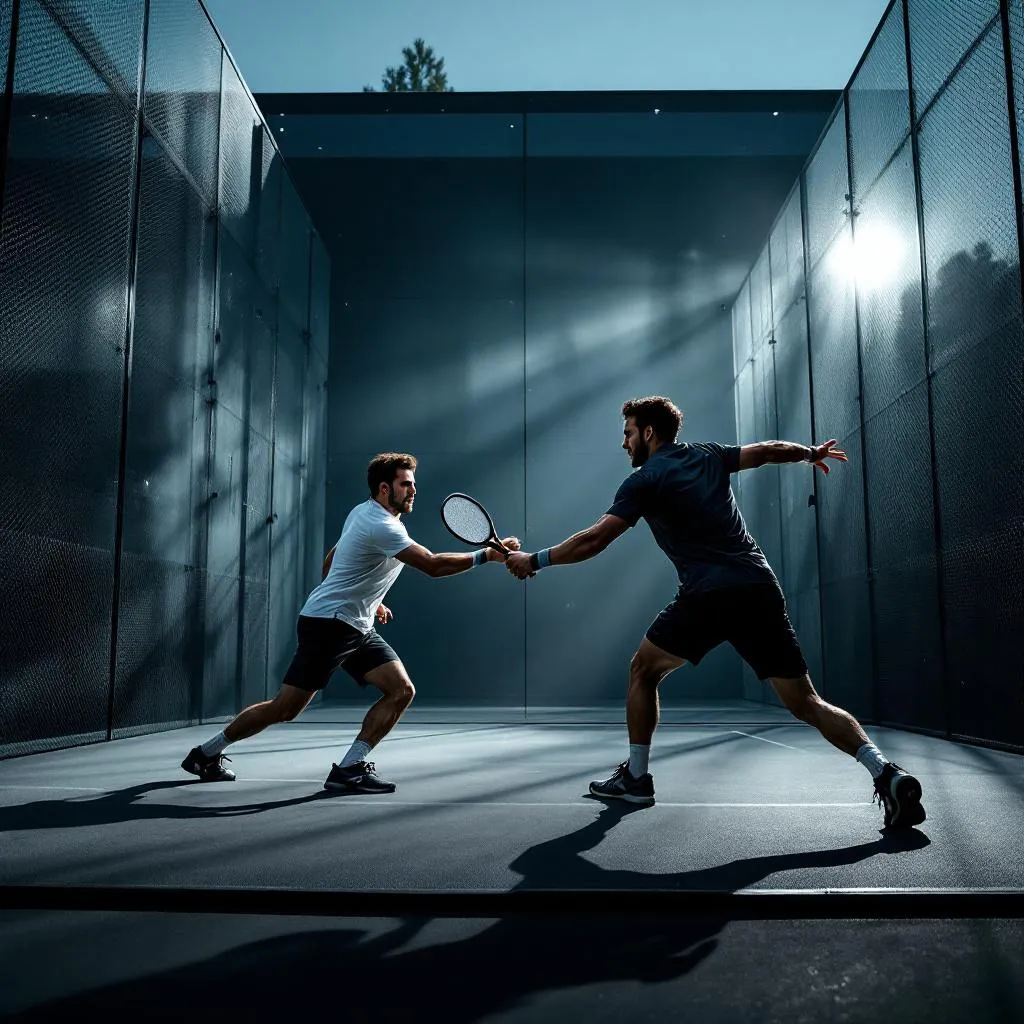
Serve Tactics and Targeting
If you want to win points before rallies unravel, control your aim. Don’t serve at random—work the court.
- Attack the Glass: Target the side wall. With spin, your delivery ricochets at erratic angles—throwing off rhythm, buying you time to rush the net, and often earning a hurried lob or shanked recovery.
- Hunt the Corners: Send your serve deep and wide, away from comfort zones. Opponents lunge, finds themselves stretched, and, in scrambling, offer up weaker returns.
- Mix Pace and Depth: Never let them get comfortable. Follow a slow, spin-laden serve with a brisk, skimming flat ball. Drop a short serve just over the net, then hammer a deep corner—keep them wondering what’s next.
Good servers keep mental notes—what unsettles this returner? Which serve earns free points? That intuition is honed in practice, sharpened in matches.
—
Drills: Sharpening Your Edge
Want a killer serve? Train for it.
- Wall Rebound Drill: Stand a few meters from a plain wall. Mark targets at varying heights. Alternate serves: 10 with slice, 10 with topspin, 10 flat. Watch how spin alters rebound. Shrink your targets as you get better—precision becomes muscle memory.
- Cross-Court Challenge: Place cones in the service box’s corners and mid-lines. Go for each target repeatedly, log your accuracy. Add points for pinpoint strikes. Next, add spin requirements; pressure grows, consistency matures.
- Zone Practice: Split the box into quadrants. Hit a streak of serves to each, rotating spin types, grading yourself on success. Over time, weak zones become strengths.
—
Fixing the Serve: Common Stumbles
Plenty can go awry: ball tossed too high, foot drifting over the line, rushed routines. Adopt a deliberate pre-serve checklist: controlled drop, stationary feet, slow the breath. If double faults creep in, stick with simple, high-percentage serves under pressure. Consistency trumps bravado.
—
Going Beyond: Mindset and Modern Tools
Refinement doesn’t stop on court.
- Film Yourself: Record serves from every angle. Break down: is your weight shifting correctly? Are your shoulders rotating? Apps and remote coaches offer feedback you can’t get from feel alone.
- Pre-Serve Rituals: Ritual breeds calm. Maybe it’s two measured breaths, a certain number of ball bounces, a silent cue to your partner. Visualize where the ball will land, see the trajectory before you strike—confidence follows.
Serve journals—where you track what works and what fizzles—help even the most seasoned padel players outthink their rivals before rackets ever clash.
—
In Closing
The padel serve, used skillfully, shapes the whole rhythm of the match. Start with the fundamentals, layer in thoughtful drills, experiment with spin and placement, and train your mind to embrace big points. Improvement rarely happens overnight, but persist: soon enough, what was once a formality becomes your defining weapon. Step to the line, drop the ball, and make every serve count.