Unlocking Padel Mastery: Sharpening Your Tactics and Technique
There’s more to padel than whacking a ball across a net—every shot, each shift of weight, even the side of the court you command, nudges the outcome. Whether you’ve just discovered this fast-paced game or hunger to climb up the amateur ranks, the nuances of positioning, attacking, and defending will shape your results. Let’s walk through the tactical heart of padel, untangling choices that often tick beneath the surface.
Right or Left: The Art of Choosing Sides
From the moment you step onto a padel court, the court’s logic demands a decision: which half is yours? Padel, unlike tennis, lives and breathes as a doubles sport. That means picking your “side” isn’t just a formality. It’s the foundation for developing your playing style.
Right-side players tend to carry the calm of chessmasters—better at reading attacks, skilled with the backhand volley. Their role traditionally orbits around constructing plays, feeding opportunities for their partner. But the flow of modern padel has churned these old conventions; both wings can tilt toward offense, depending on the duo.
Over on the left side, you’ll find the more audacious types. If you’re drawn to overheads, relishing the challenge of intercepting lobs and working mid-air magic, this role will fit like a glove. Here, the ‘bandeja’ reigns—a strange yet beautiful hybrid between tennis’s forehand and a classic smash, requiring finesse and power in equal measure.
Net Play: Where Offense Finds Its Teeth
Padel is a game waged at the frontline. Whoever dominates the net steers the outcome, plain and simple. Why? The reasons build up quickly: less court separates you from your target, so your shots reach their mark faster; angles open up, deep drives rattle defenders, and sudden flicks create chaos in enemy lines. The net isn’t just territory—it is opportunity.
What’s more, seizing the net pushes rivals onto their heels. The pressure you apply there can force mistakes, and when opponents scramble, gaps appear as if by magic.
The Eternal Shifting: Advancing and Retreating
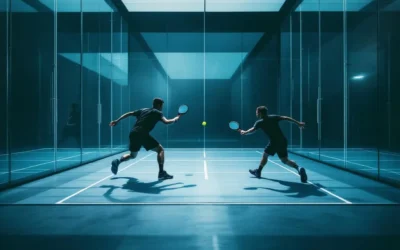
Success in padel isn’t about holding ground; it’s the dance between attack and defense. Picture this: you’re starting near the baseline, your rivals glued to the net and squeezing you with short volleys. Lobbing high and deep can yank them back, tilting the balance. If your shot lands well, rush forward—now it’s your turn to press.
Conversely, if you’ve managed to claim the front, don’t squander the advantage. Pepper them with deep strokes, mix in some heavy topspin, and force them to react on your terms. The aim is simple: keep the initiative, stay on the attack, and don’t blink first.
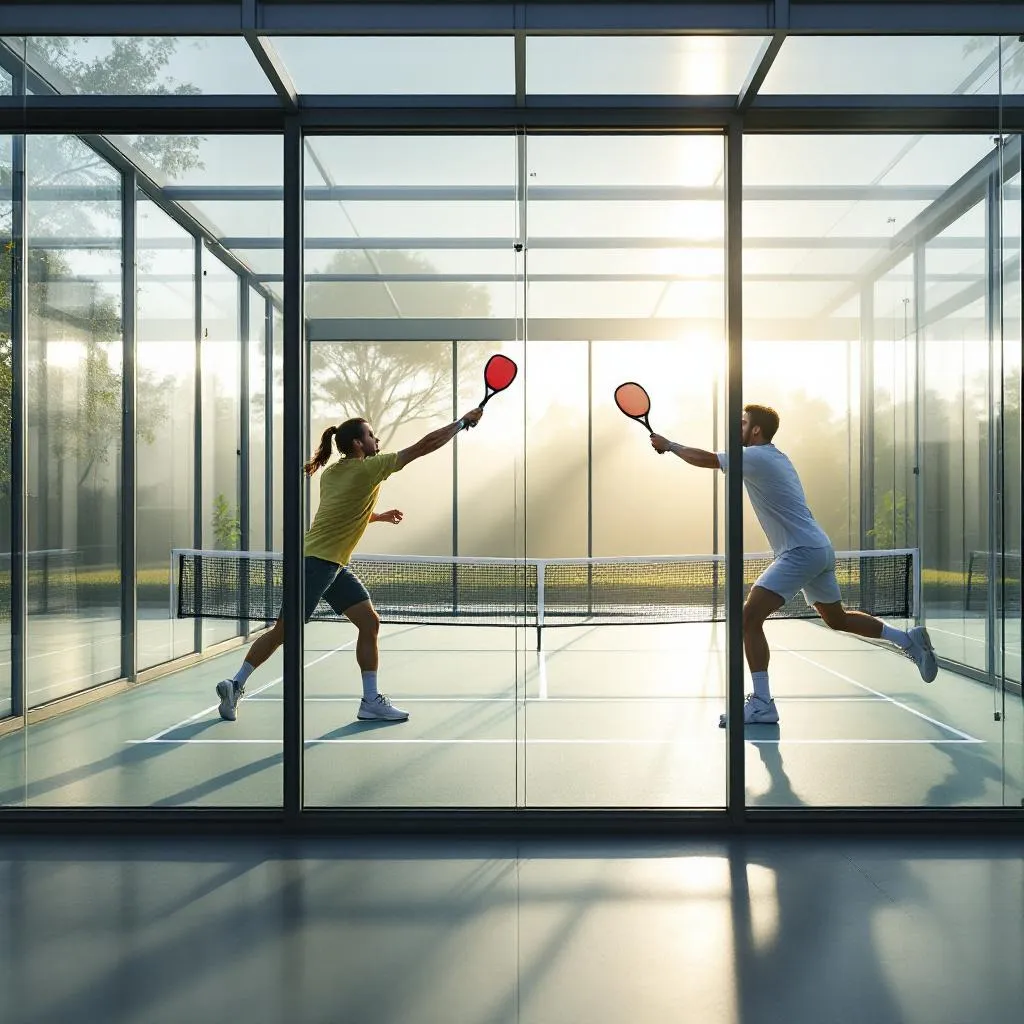
Even at the amateur level, matches unfold as an ongoing skirmish—one moment you’re fending off attacks, next you’ve turned the tables and are feasting on short returns.
Practical Advice: Winning Edge
Let’s boil down what matters most. First, consistency. Fewer errors mean more points. Control weight, trajectory, and especially placement. Accuracy often trumps brute strength.
Second, work the angles. Don’t settle for predictable cross-court shots—look for patterns, exploit space, and keep your opponent perpetually moving.
Positioning matters. Always stay conscious of your court placement; bad positioning leaves you stretched or exposes your partner.
Most importantly, play to your strengths—your power, speed, or maybe your knack for trick-shots. At the same time, remain a student of your opponents’ weaknesses. Notice which shots make them uneasy, which areas they defend poorly, and press that advantage.
Above all, keep it fun. Tactics and precision mean little if the game becomes a chore. Padel, even at its most competitive, should be a source of energy—a fast, smart, athletic contest where camaraderie and cleverness mingle.
So, lace up, step onto the court, and remember: padel rewards not only skill, but presence, instinct, and the courage to try a shot that just might work. Play smart, play bold—and don’t forget to enjoy every wild, brilliant point.