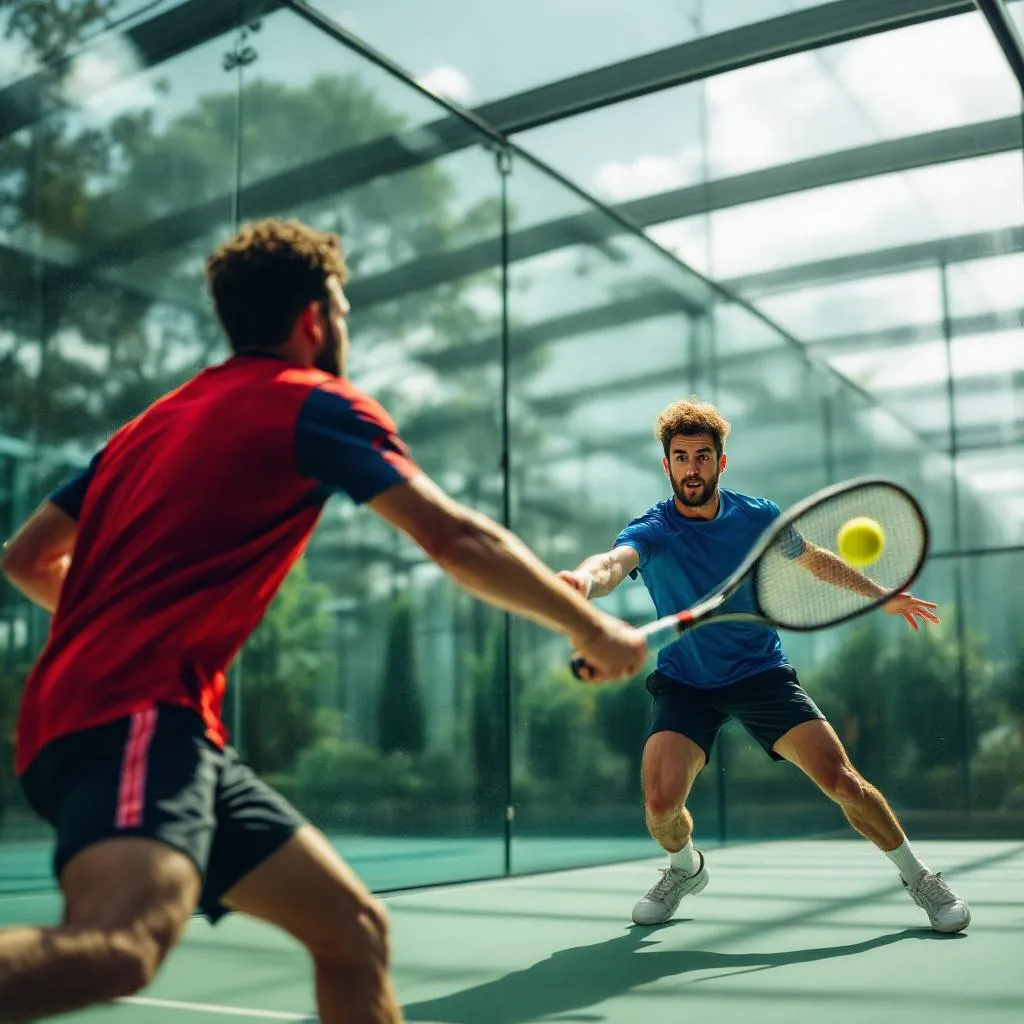
There’s a special energy sweeping through sports communities worldwide, and its name is padel. This is no fleeting trend—padel has woven together the most addictive elements of tennis and squash, morphing into a sport that’s as approachable as it is exhilarating. Step onto a padel court and you’ll sense it: the buzz, the camaraderie, the strangely magnetic pull that brings both seasoned athletes and complete novices together.
Although the roots of padel go back to the late ’60s, its true renaissance began only recently. Suddenly, courts spring up everywhere, and newcomers outnumber veterans. At Padel39, we watch this wave with excitement, doing all we can to welcome fresh faces and steady hands alike—there’s a place for every level, a session for every curiosity.
So if the name keeps popping up and you’re itching to figure out what everyone’s raving about, here’s a sweeping introduction to the basics—a map for finding your footing in the world’s fastest-growing sport.
Getting to Know Padel
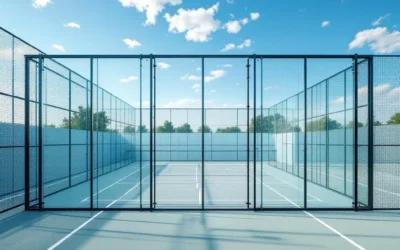
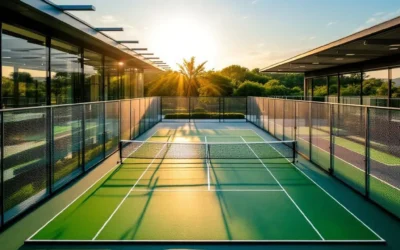
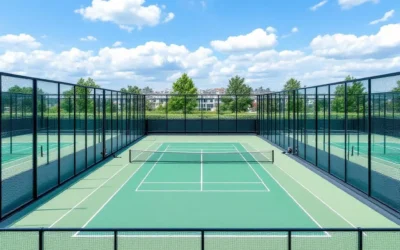
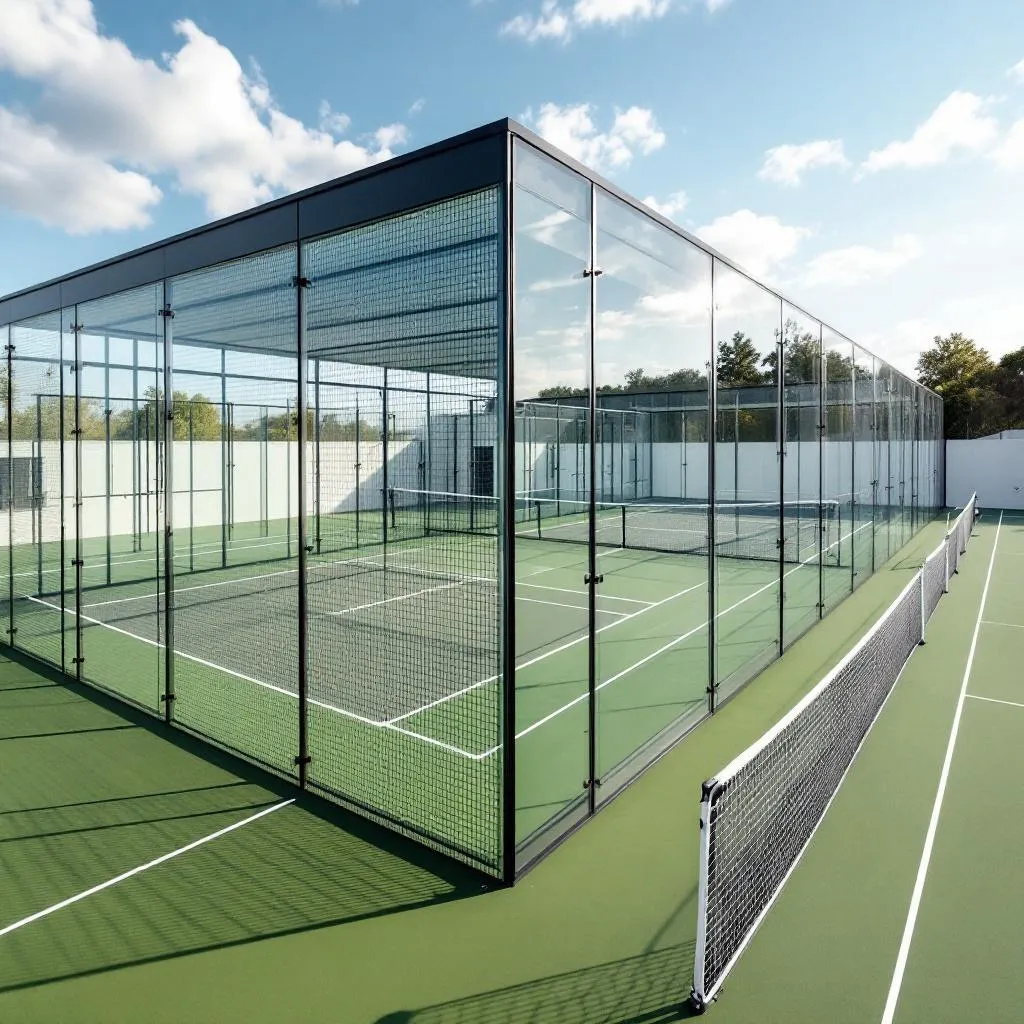
Padel is a racket sport, played mostly in doubles, with four players sharing an enclosed rectangle ringed by glass and wire mesh. Visually, it echoes tennis, but the court is just three-quarters the size—condensed, focusing action and sharpening reflexes.
The pace is brisk, the tactics layered, and the fun is amplified by a unique twist: you can use the walls to your advantage. No wonder so many tennis converts appear at the door, their curiosity piqued, though you’ll meet plenty with no history in racket sports at all—padel is a fresh canvas for all comers.
Despite similarities with tennis scoring—points ticking up in that familiar 15–30–40 rhythm—padel cares less for overwhelming strength and more for placement, quick wits, and seamless teamwork. Power alone won’t get you far; patience and precision will.
Why is Everyone Talking About Padel?
The reasons for the sport’s meteoric rise are as plain as daylight:
- It’s intuitive: The basics come easily, even for the cautious beginner.
- It’s social: Padel is a doubles game at heart. Laughs, high-fives, and friendly ribbing are built in. Four to a court keeps things vibrant.
- It’s gentle on the body: The courts are smaller, the balls move slower, and the surface is softer on your joints. Players from eight to eighty can share the space without fear.
- It’s dynamic: With walls in play, points unfold in surprising ways—no two rallies are ever the same. Every bout balances chess-like strategy with improvisation.
Padel: The Nuts & Bolts
If you’ve played tennis, padel’s rules feel familiar, but don’t skip the details.
Scoring
The backbone is classic tennis: best-of-three sets, tiebreaks at 6-6, and a golden point instead of deuce in many formats. Often, a final set gets boiled down to a first-to-ten tiebreak for added drama.
How to Play
Every serve is underhand; the starter must let the ball bounce once, making contact no higher than the waist. Each serve flies cross-court, echoing tennis but with less flourish.
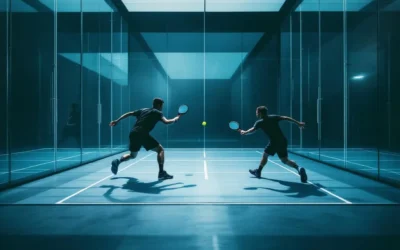
In rallies, shots land first in the opponent’s box, but once they bounce, the glass walls—like those in squash—join the conversation. Players can return shots off the walls, adding brain-teasing variety.
Score a point when rivals let the ball bounce twice or shoot wide of the bounds. Simple, clear, but never dull.
Gear Up
Padel doesn’t demand expensive gear or long lists of purchases. You’ll need a racket (shorter than its tennis cousin, solid and pocked with holes), a handful of pressure-light balls (think tennis balls, but slightly softer and smaller), and an enclosed court ringed by see-through walls. At Padel39, you can even borrow equipment while you find your style.
Tips for a Strong Start
- Keep it simple: Early on, chase control and accuracy—not smashing winners.
- Embrace the walls: Don’t be afraid to let the ball bounce; finesse grows with patience and smart use of angles.
- Stay connected: Good padel is about teamwork. Communicate with your partner. Move as one.
- Practice your serve: Establishing a reliable serve will tilt rallies in your favor from the first stroke.
- Give it time: Let yourself learn. Padel rewards steady growth and clever play.
Step Onto the Court
There’s something uniquely inviting about padel. Whether this is your first racket sport or you’re trading your tennis whites for something new, you’ll meet people ready to swap tips and stories. At Padel39, every open court is an invitation—wander in, racket in hand, and become part of the fastest-growing game on earth.
The only thing left? Grab a racket and see what the fuss is about. The first game is waiting for you.